


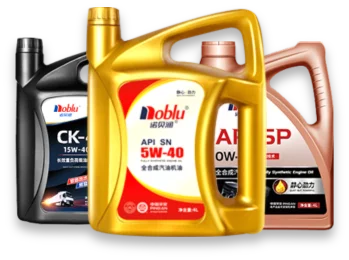


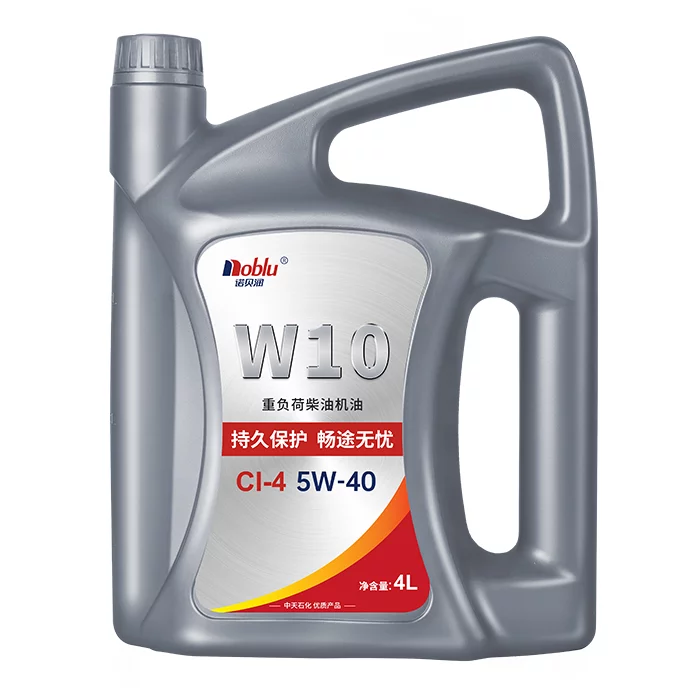
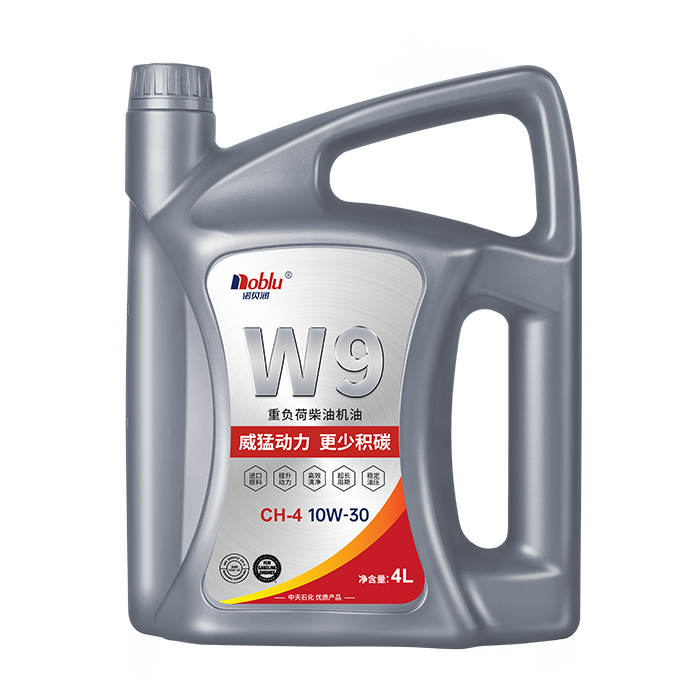
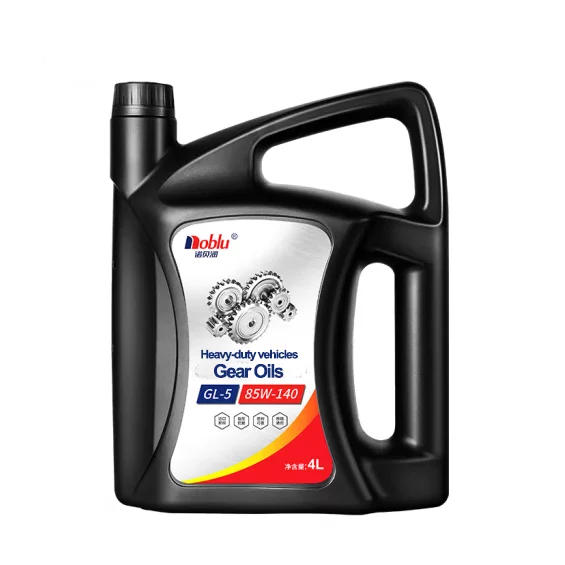

Southeast Asia’s transport and industrial sectors are evolving rapidly. As fleets expand, OEM engine designs modernize, and emissions rules tighten, synthetic engine oil has moved from a premium option to a strategic choice for many fleet operators and procurement teams. This article explains the market drivers, technical benefits, procurement best practices, and an actionable rollout plan for bulk buyers in ASEAN. It also includes visual data points and charts to help you present the business case internally.
Market dynamics driving synthetic adoption
Rapid fleet growth and industrialization
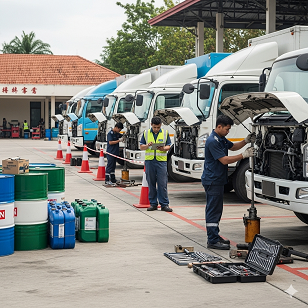
ASEAN economies are seeing strong growth in freight, logistics and urban mobility. This growth increases vehicle kilometers traveled and the duty cycles experienced by engines — both of which make oil performance and stability more important. For procurement managers, the trade-off is clear: paying more per liter for synthetic engine oil can be justified if it reduces maintenance frequency and unplanned downtime.

Caption: Switching fleets to synthetic engine oil reduces downtime and improves fleet uptime.
OEM trends and emission requirements
Modern engines (downsized, turbocharged, higher power density) require oils with precise viscosity control and high-temperature stability. Many OEMs increasingly recommend low-viscosity synthetic grades (e.g., 0W-20, 5W-30) to meet fuel economy and emissions targets. This OEM push, combined with national regulations and corporate ESG programs, accelerates adoption across ASEAN markets.
Technical advantages of synthetic engine oil
Viscosity index and thermal stability
Synthetics are engineered to offer a higher viscosity index, meaning they maintain optimal film strength across a wider temperature range. In hot tropical climates and heavy-load scenarios common in parts of ASEAN, that stability prevents viscosity breakdown and keeps friction low.
Friction reduction and fuel economy
Because synthetic formulas can be optimized for low shear and reduced internal friction, fleets switching to the right synthetic grades often see measurable fuel economy gains. These improvements are particularly valuable for light- and medium-duty vehicles that form the backbone of urban delivery fleets.
Caption: Typical fuel economy improvements by vehicle class when switching to synthetic engine oil.
Cleaner engines and longer drains
Synthetic engine oil resists oxidation and deposit formation, so engines run cleaner and oil life extends. For large fleets, fewer oil changes means substantially reduced labor, filter costs and waste-oil disposal — key line items in a fleet TCO model.
Business case: quantifying the benefits
Example TCO model for a 100-vehicle fleet
To build a convincing procurement case, include conservative estimates for each benefit stream: fuel savings, maintenance savings, labor reduction, and disposal cost reduction.

Caption: Estimated annual cost reductions for a 100-vehicle fleet switching to synthetic engine oil.
Sample conservative assumptions (illustrative):
- Fuel saving: 2% (depends on duty cycle)
- Maintenance savings (filters, unplanned repairs): 15%
- Oil-change labor and logistics savings: 30% fewer service events
- Disposal cost reduction: 40% less waste oil handling
If annual fuel cost for the 100-vehicle fleet is $900,000, a 2% saving equals $18,000. Add maintenance and service savings, and the total TCO improvement can quickly justify the synthetic premium.
Drain interval and service frequency
Synthetics commonly extend drain intervals by 25–50% depending on operating conditions and OEM guidance. Use lab validation and periodic oil analysis to determine safe extension levels for your specific fleet.

Caption: Synthetic engine oil typically extends drain intervals across vehicle classes.
Procurement checklist: what to require from suppliers
Core specification items
- API/ACEA approvals matched to OEM requirements.
- Viscosity & HTHS numbers to ensure compatibility with engine design.
- COA & lab tests: oxidation stability, shear stability, flash point, pour point.
- Field trial data: sample case studies or pilot results under similar duty cycles.
- Supply guarantees: batch traceability, local warehousing options and emergency stock.

Caption: Procurement checklist for evaluating synthetic engine oil suppliers.
Commercial terms to negotiate
- Drain-interval pricing models (price per drain rather than per liter) align supplier incentives with your TCO goals.
- Trial / pilot guarantees with defined KPIs (e.g., % change in fuel consumption, no increase in wear rates).
- Local logistics support: bonded warehousing in major ports shortens lead times and reduces freight risk.
Regional nuances across ASEAN markets
Climate, fleet mix and port activity
Hot, humid climates in Indonesia, Thailand and the Philippines demand oils with high oxidative stability. Countries with larger diesel truck fleets (e.g., Indonesia) may prioritize diesel-compatible synthetics with soot-handling chemistries, while urban delivery hubs may focus on low-viscosity motor oils for fuel efficiency.

Caption: Estimated synthetic engine oil adoption by country in ASEAN (sample data).
Local service networks matter
Procurement teams often choose suppliers offering local technical support, oil analysis labs and stock in regional hubs (Singapore, Port Klang, Jakarta) — these factors reduce risk and speed rollouts.
How suppliers can win large contracts
Proof, pilots, and support
Bulk buyers want data. Suppliers that provide detailed COAs, independent lab reports, and transparent pilot results (including spectrometric oil analysis) will be preferred. Offering pilot sample packs, on-site training and digital monitoring tools (IoT dashboards) adds credibility.

Caption: Oil-condition dashboards enable predictive lubrication and smarter procurement.
Packaging & logistics flexibility
Providing flexible pack sizes (drum, IBC, bulk tanker), bonded stock in key ports, and predictable lead times are decisive differentiators for major tenders.
Pilot rollout: an 8-step plan for procurement teams
Actionable pilot steps
- Select 5–10 representative vehicles across duty cycles.
- Baseline current fuel usage, maintenance spend and filter change rates for 3 months.
- Choose a synthetic oil grade that meets OEM specs.
- Run pilot for 6 months with scheduled oil analysis every 2–3 months.
- Track fuel, drain interval changes and any wear trend via spectrometric reports.
- Calculate TCO impact and present to stakeholders.
- If ROI target met, phase rollout and negotiate performance-based pricing.
- Maintain a stock buffer in a nearby bonded warehouse.
Visual & data assets you should include in tender packs
- TCO stacked bar illustrating fuel vs maintenance savings.
- Drain-interval comparison charts per vehicle class.
- Fuel economy uplift by vehicle type.
- Spectrometric oil analysis sample reports.
- Heatmap of regional adoption and supplier logistics footprint.

Caption: Synthetic engine oil vs mineral oil: relative performance across key properties.
Timing and call to action
In 2025, synthetic engine oil is a pragmatic choice for ASEAN fleets seeking measurable TCO improvements, better fuel efficiency and reduced downtime. For procurement teams, the winning approach combines careful specification, pilot validation and supplier relationships that include local logistics and technical support. If you’re a fleet manager or procurement lead, consider starting a small pilot today and ask potential suppliers for COAs, lab reports and a drain-interval guarantee.
Internal product links:
- ZTSHOIL Automobile Lubricating Oil — https://www.ztshoil.com/category/products/automobile-lubricating-oil/
- ZTSHOIL Industrial Lubricating Oil — https://www.ztshoil.com/category/products/industrial-lubricating-oil/
- ZTSHOIL Lubricating Grease — https://www.ztshoil.com/category/products/lubricating-grease/
Authoritative external reference:
- IMARC Group — South East Asia Lubricants Market Reports (for market size and growth context)