



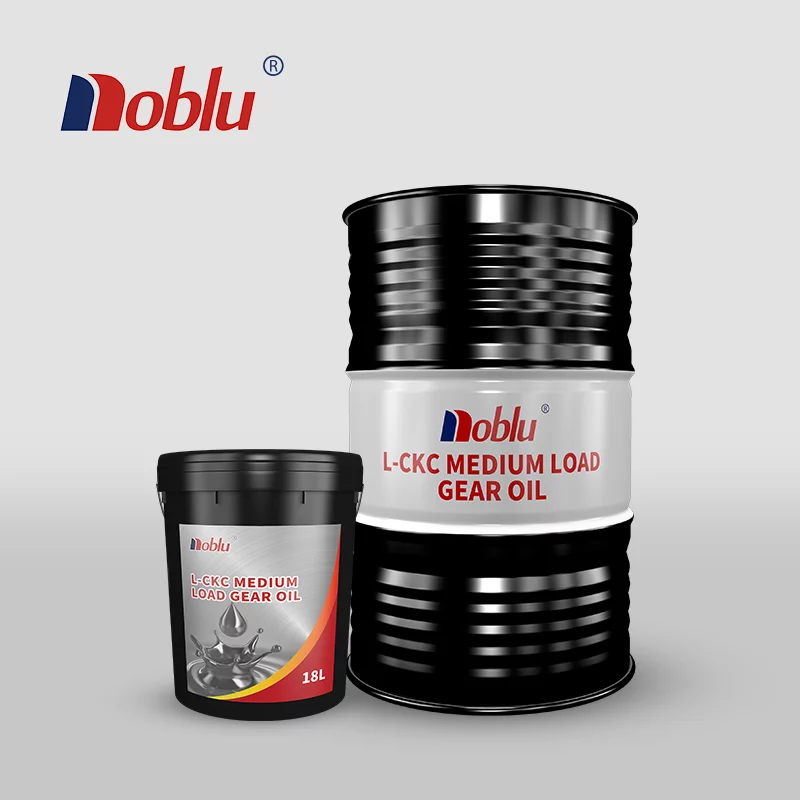
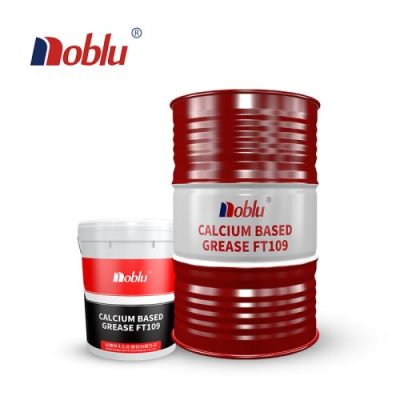
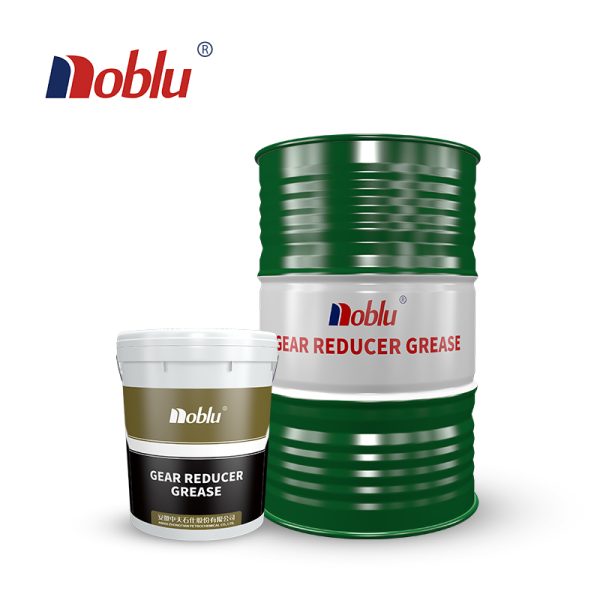
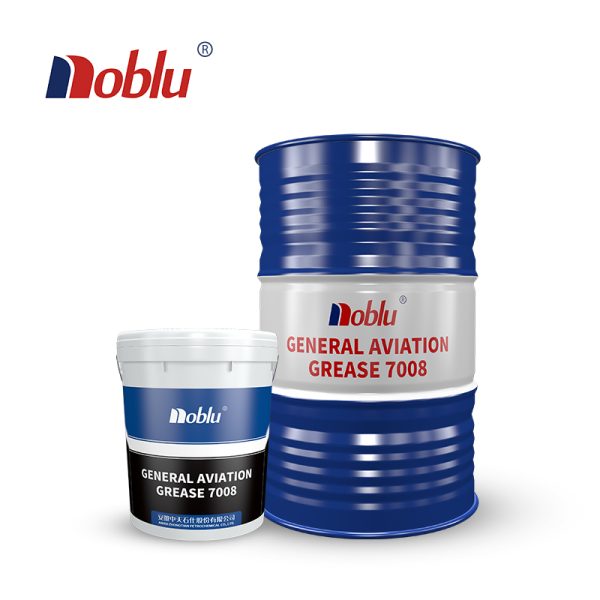
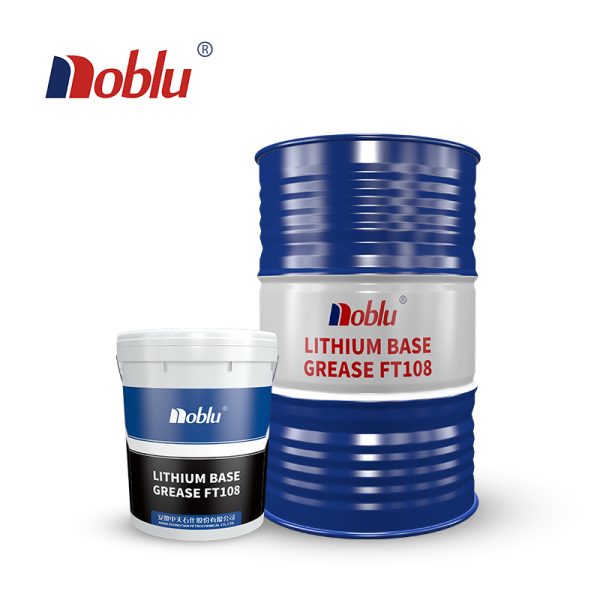
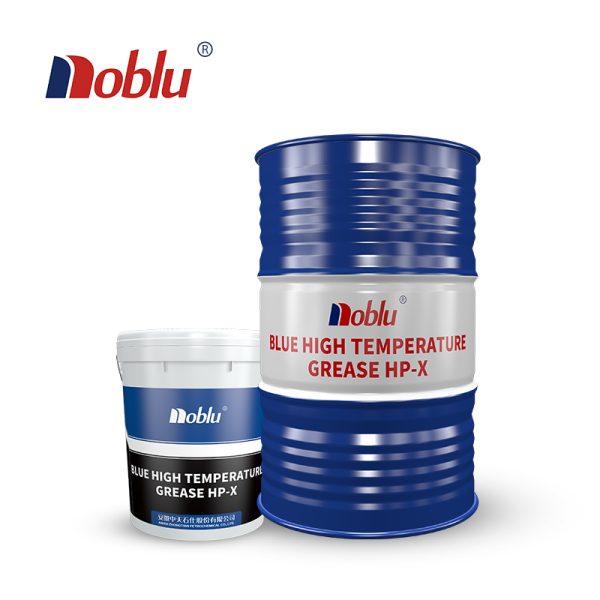
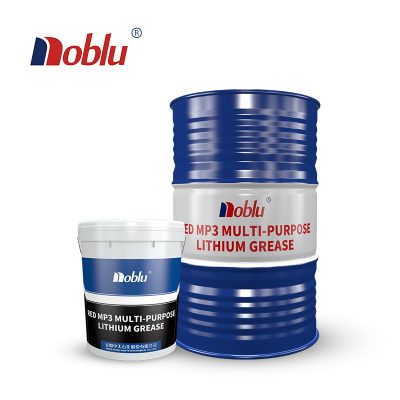

A good lubricant can still fail if it is stored badly. Water, dust and heat get into drums and pails long before the oil reaches a machine. These are the storage rules we share with distributors and end users.
Keep it indoors and dry
Store drums and pails under cover, away from rain and direct sun. Temperature swings make a drum “breathe”: air and moisture are pulled in as it cools at night. A dry, steady indoor space removes most of that risk.
Lay drums on their side, or cover them
If drums must stand upright outdoors, water collects on the lid and can be drawn past the bungs. Lay drums horizontally with the bungs at 3 and 9 o’clock, or use a drum cover.
Use clean transfer equipment
Dedicated pumps, funnels and containers for each product prevent cross-contamination. Even a small amount of the wrong oil in a hydraulic system can change how it performs. Label every container with the product name.
Seal grease containers after use
Grease left open picks up dust and can separate, with oil collecting on the surface. Wipe the rim, press the follower plate down and close the lid each time.
First in, first out
Mark the arrival date on every container and use the oldest stock first. Most unopened lubricants keep well in good conditions, but rotation means you never have to guess.
Check before use
Haze, water droplets, sediment or an unusual smell are warning signs. If in doubt, send a sample for analysis before putting it into equipment. For hydraulic oil in particular, see does hydraulic oil go bad.
Meet us in person
We regularly meet distributors and end users face to face. At trade shows, our booth flags and banners are made by Senior Flags, so look for the ZhongTian name above the aisle.
Have a question about a specific product or storage condition? Contact our team for technical advice.