





Чемпионат мира по футболу с участием 48 команд, проходящий на 16 стадионах, работает на гидравлическом масле, консистентной смазке, компрессорном масле и моторном масле — в цилиндрах крыши, которые открывают чашу перед началом матча, в газонокосилках, которые каждое утро подстригают гибридное поле, в чиллерах, поддерживающих температуру в крытом стадионе около 22°C в техасское лето, и в генераторах, гарантирующих бесперебойную трансляцию. Ничто из этого не видно с трибун; всё зависит от правильной смазки в правильном месте.
В этом руководстве представлена сопоставительная таблица необходимых смазочных материалов для оборудования, используемого на турнире 2026 года (с 11 июня по 19 июля в США, Канаде и Мексике), с конкретными требованиями к каждой системе.
Краткий ответ: девять систем, девять работ по смазке.
| Система | Что происходит во время мероприятия | Необходима смазка. |
|---|---|---|
| Выдвижная крыша | Открывает/закрывает чашу в зависимости от погоды и состояния травы. | Гидравлическое масло высокого давления AW (ISO VG 46/68) |
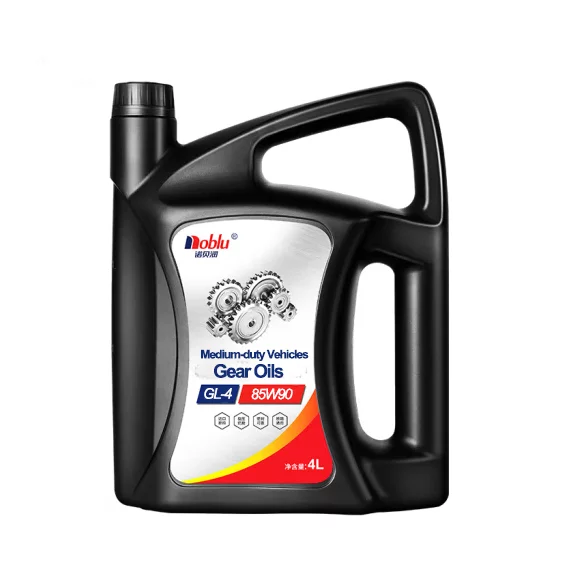
| Парк игровых полей и газонов | Ежедневно косит и аэрирует предписанный натуральный газон. | Гидравлическое масло с высоким вязкоупругостью + трансмиссионное масло GL-4 |
| чиллеры систем отопления, вентиляции и кондиционирования | Проведение мероприятий в закрытых помещениях при температуре около 22°C в условиях экстремальной жары. | Компрессорное/холодильное масло (ISO 32–68) |
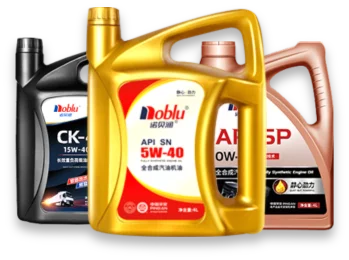
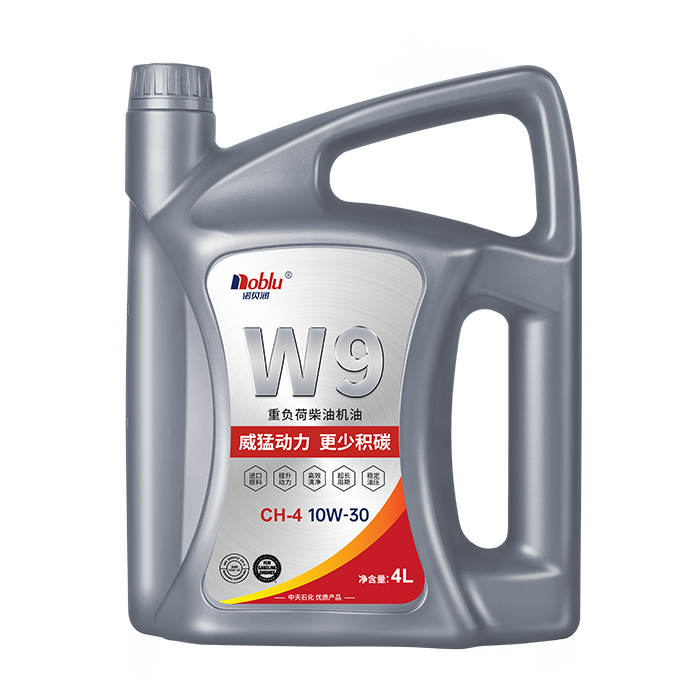
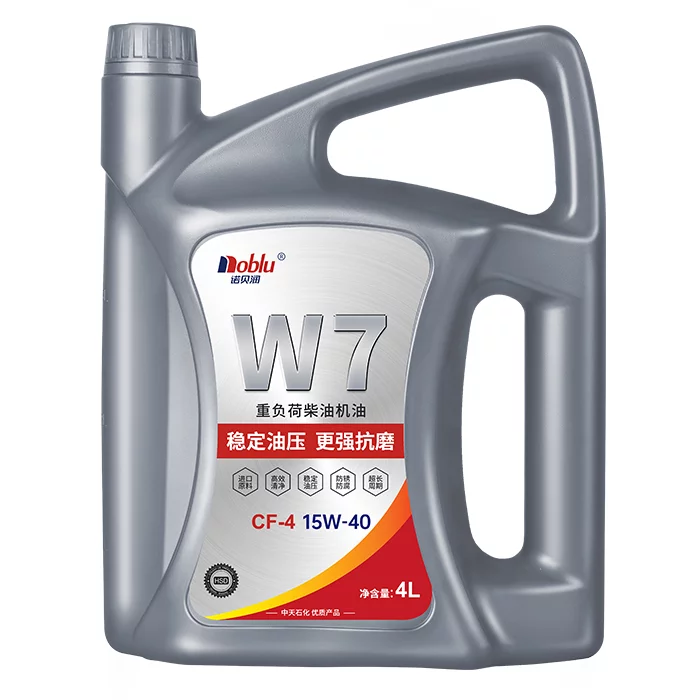
| Резервные генераторы | Поддерживает работу прожекторов и трансляцию. | Моторное масло для дизельных двигателей высокой мощности (API CK-4, 15W-40) |
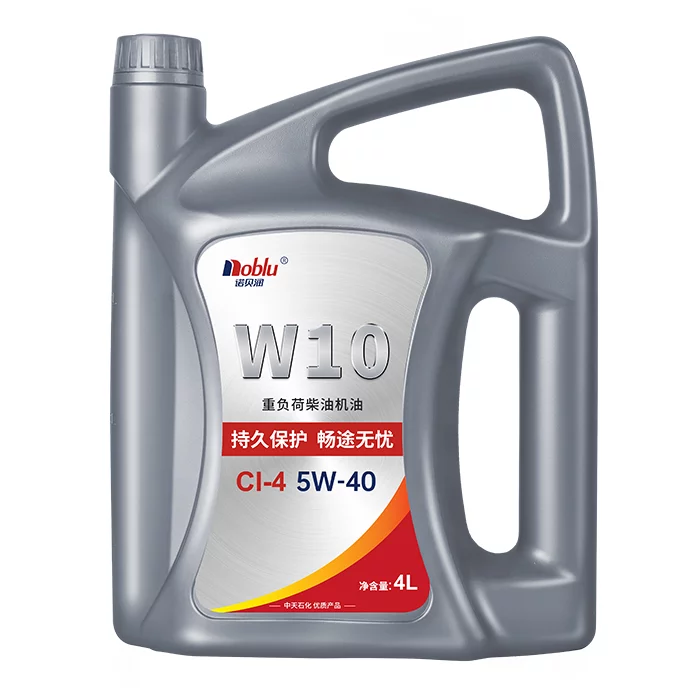
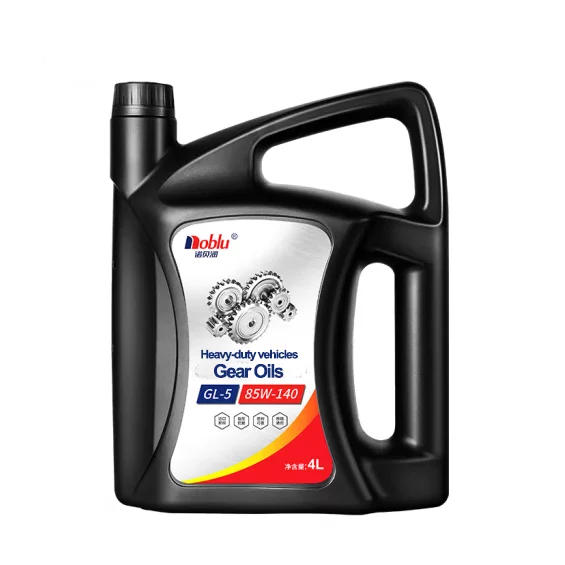
| Фан-парк и флотилии команд | Перевозит миллионы людей между городами. | Моторное масло, трансмиссионная жидкость, трансмиссионное масло |
| наземное оборудование аэропорта | Обрабатывает рекордные объемы пассажиров. | Авиационное/AW гидравлическое масло + противоизносная смазка |
| Холодовая цепь места проведения мероприятия | Обеспечивает безопасность продуктов питания и напитков для большого количества людей. | Компрессорное масло + низкотемпературная смазка |
| Эскалаторы и лифты | Направляет толпу вертикально через чашу | Литиевая смазка EP / MP (NLGI 2) |
| Строительство и транспорт | Строительство и реконструкция объектов (затраты от 1 TP4T2B+) | Гидравлическое масло AW + строительная смазка |
Жара – самый сложный противник.
Анализ Bloomberg показал, что примерно 201 030 матчей проводятся на стадионах с кондиционированием воздуха, температура в которых поддерживается на уровне около 22 °C (72 °F), при этом пороговые значения основаны на рекомендациях FIFPRO по измерению температуры по влажному термометру. Охлаждение стадиона в хьюстонское или далласское лето означает, что чиллеры работают на полную мощность в течение нескольких часов, а срок службы компрессоров зависит от устойчивости компрессорного масла к окислению.
На всех 16 площадках было обязательное наличие натурального газона.
Как сообщила газета Boston Globe, на нескольких стадионах НФЛ демонтировали искусственный газон, чтобы вырастить гибридную траву; в крытых купольных сооружениях крыши были закрыты в течение шести недель, и для роста травы постоянно работали кондиционеры. В MetLife, по сообщению LawnStarter, рабочие уложили бермудскую траву Tahoma 31 на слой песка толщиной около двух футов, используя примерно 20 грузовиков дерна. Поддержание такого покрытия требует ежедневной работы парка гидравлических газонокосилок и аэраторов.
Система за системой: реальная взаимосвязь
Раздвижные крыши → гидравлическое масло высокого давления
Крыши в Атланте, Хьюстоне и Далласе открываются и закрываются с помощью больших гидравлических цилиндров под высоким давлением, что требует использования противоизносного масла, сохраняющего свою пленку при заданной температуре и отталкивающего воду. Обычно используется масло класса ISO VG 46 или 68, например, Denison HF-0 или DIN 51524-2 — Zhongtian's. Гидравлическое противоизносное масло L-HM. Подробный анализ: гидравлическое масло за раздвижными крышами стадионов.
Комплектующие для системы наклона → гидравлическое масло с высоким вязкостным индексом + трансмиссионное масло
Цилиндрические газонокосилки и аэраторы работают при перепадах температур, поэтому высокоиндексное гидравлическое масло L-HV обеспечивает согласованность ответа в то время как Трансмиссионное масло GL-4 защищает накопители. Подробный анализ: смазка поля чемпионата мира.
Чиллеры HVAC → компрессорное/холодильное масло
Для винтовых и центробежных компрессоров необходим окислительно-стойкий материал. Масло для винтовых компрессоров (L-DAJ) или Компрессорное масло L-DAB, Обычно используется ISO VG 32–68. Подробный анализ: масло, которое охлаждает стадион.

Резервные генераторы → моторное масло для мощных дизельных двигателей
Прожекторы и трансляция обеспечивают работу резервных дизельных генераторов, для которых требуется... Дизельное масло API CK-4 15W-40 с отличной способностью справляться с сажей. Глубокое погружение: не отключать свет.
Автопарки болельщиков и команд → моторное масло, трансмиссионная жидкость, трансмиссионное масло
По прогнозам Allianz Trade, расходы на туризм в Северной Америке вырастут примерно на 14,8 миллиарда трлн рупий. Этот всплеск спроса отразится на автобусах и арендованных автомобилях, которым требуется современное моторное масло., АТФ и трансмиссионное масло. Подробный анализ: заправка парка вентиляторов.
Аэропорты → авиационное гидравлическое масло + противоизносная смазка
Наземное вспомогательное оборудование работает на противоизносном гидравлическом масле и Литиевая смазка EP. Подробный анализ: на земле в аэропортах, где проходят матчи чемпионата мира по футболу..
Холодовая цепь → компрессорное масло + низкотемпературная смазка
Компрессоры для холодильных камер и подшипники для охлаждаемых дисплеев нуждаются в компрессорное масло плюс низкотемпературная смазка, сохраняющая свою подвижность на холоде. Подробный анализ: холодовая цепь за концессиями.
Эскалаторы и лифты → литиевая смазка EP
Вертикальный транспорт — это непрерывная работа, сопряженная с ударными нагрузками, требующая EP литий или Универсальная смазка для MP3, NLGI 2. Углубленный анализ: жир, который приводит толпу в движение.
Строительство и транспорт → Гидравлическое масло AW + строительная смазка
В города-партнеры было инвестировано более 1,4 млрд. триллионов танзанийских шиллингов (Partners Real Estate). Экскаваторы и краны работают на... Гидравлическое масло AW (VG 46/68) и смазка для строительной техники. См. также Путеводитель по испанскому рынку для городов Мексики, принимающих мероприятия.
Что на самом деле означает здесь “правильная смазка”?
- ISO VG (класс вязкости). Шлам VG 46 — это основной материал для гидравлики, работающей в условиях умеренного климата; VG 32 — для холодного запуска; VG 68 — для длительной работы в жару. Соответствие уклона климату — это разница между бесперебойной работой и поломкой в середине лета.
- Денисон HF-0. Спецификация противоизносных свойств, проверенная насосом, а не бумажная. Гидравлическое противоизносное масло Zhongtian соответствует стандартам Denison HF-0/HF-1/HF-2 — требованиям, предъявляемым независимыми экспертными комиссиями в Северной Америке и Европе.
Часто задаваемые вопросы
Будет ли компания Zhongtian поставлять продукцию на чемпионат мира по футболу 2026 года?
Нет. Компания Zhongtian является независимым производителем смазочных материалов и не связана с ФИФА или турниром, а также не является их спонсором.
Какое гидравлическое масло используется на крышах стадионов и в подъемниках?
В большинстве гидравлических систем высокого давления на стадионах используется противоизносное гидравлическое масло ISO VG 46 или 68, соответствующее стандартам Denison HF-0 и DIN 51524 Часть 2. Линейка L-HM от Zhongtian включает в себя масла этих марок.
Почему стадиону требуется так много кондиционирования воздуха во время летнего турнира?
Рекомендации по безопасности игроков и требования к состоянию газона. Примерно 201 матч из 2026 пройдут в помещениях с кондиционированием воздуха, где поддерживается температура около 22°C (72°F).
Какой самый важный параметр при покупке промышленного гидравлического масла?
Сопоставьте класс огнестойкости ISO VG с вашей рабочей температурой, а затем подтвердите наличие сертификата соответствия стандартам OEM, например, Denison HF-0.
Компания Zhongtian осуществляет доставку в более чем 100 стран мира с полным комплектом документов — начните с гидравлическое масло и смазка Страницы товаров.