


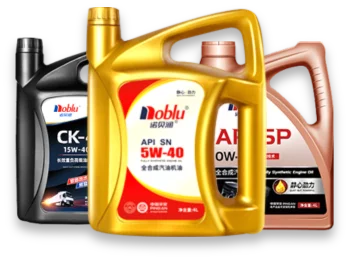

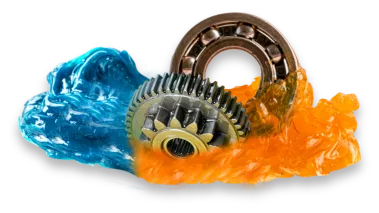
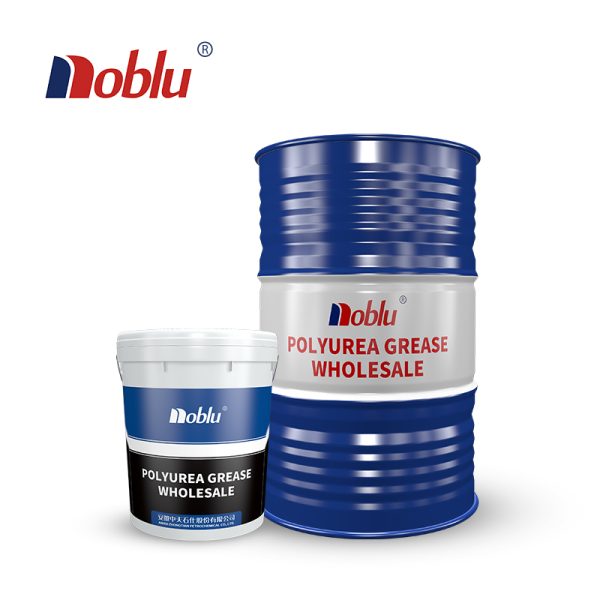

Grease is a vital component in lubricating machinery and equipment, ensuring smooth operation and minimizing friction and wear. Among the various types of grease available, polyurea grease has gained significant recognition and popularity due to its numerous advantages. In this essay, we will delve into the benefits of using polyurea grease and why it is a preferred choice for many applications.


- High Temperature Stability:
One of the primary advantages of polyurea grease is its exceptional thermal stability. It can withstand high temperatures without breaking down or losing its lubricating properties. This makes it ideal for applications that involve elevated temperatures, such as electric motor bearings, industrial machinery, and heavy-duty equipment. The high temperature stability of polyurea grease ensures reliable lubrication even in demanding operating conditions, reducing the risk of equipment failure and downtime.
- Excellent Water Resistance:
Polyurea grease exhibits excellent water resistance properties. It forms a protective barrier that repels water and moisture, preventing them from reaching the metal surfaces. This characteristic reduces the risk of corrosion and rust formation, which can significantly impact the performance and lifespan of machinery. Polyurea grease is particularly suitable for applications exposed to wet or humid environments, such as marine equipment, outdoor machinery, and agricultural machinery. The water resistance of polyurea grease helps extend the lifespan of components and reduces the need for frequent re-lubrication, resulting in cost savings and improved equipment reliability.
- Long Service Life:
Polyurea grease offers an extended service life compared to other types of grease. Its unique chemical structure provides exceptional shear stability, allowing it to maintain its consistency and lubricating properties even under high shear forces. This characteristic makes it highly durable and capable of providing long-lasting lubrication. The extended service life of polyurea grease reduces the frequency of lubrication maintenance, resulting in cost savings and improved operational efficiency.
- Wide Temperature Range:
Polyurea grease exhibits a wide operating temperature range, making it suitable for both high and low temperature applications. It remains stable and effective in extreme cold conditions, ensuring smooth operation even in freezing temperatures. Additionally, it retains its consistency and lubrication properties at high temperatures, providing reliable performance in hot environments. The versatility of polyurea grease makes it a preferred choice for applications that experience temperature variations, eliminating the need for multiple greases for different temperature ranges.
- Compatibility with Other Greases:
Treat polyurea grease as incompatible with lithium and calcium greases unless the two specific products have been tested together. Published compatibility charts rate polyurea with lithium as borderline at best, and the result depends on the formulation. When changing over to polyurea grease, purge the old grease as completely as you can. Our polyurea vs lithium grease guide explains the changeover.
- Reduced Friction and Wear:
Polyurea grease provides excellent lubrication, reducing friction and wear between moving parts. Its high film strength and adhesion properties ensure a protective layer between surfaces, minimizing metal-to-metal contact and preventing surface damage. This results in reduced component wear, extended equipment life, and improved overall efficiency. The reduced friction and wear properties of polyurea grease contribute to enhanced equipment performance, reduced maintenance costs, and increased productivity.
- Chemical Resistance:
Polyurea grease exhibits excellent chemical resistance, making it suitable for applications exposed to harsh chemicals and solvents. It maintains its lubricating properties and stability even in the presence of corrosive substances, protecting the equipment from chemical damage. This characteristic is particularly beneficial in industries such as chemical processing, oil and gas, and pharmaceuticals, where machinery comes into contact with various chemicals.
- Metal-Free Thickener:
The polyurea thickener contains no metal soap, unlike lithium, calcium or aluminium soap greases. That does not make the grease biodegradable: biodegradability depends mainly on the base oil, and polyurea greases made with mineral oil are not classed as biodegradable. If you need an environmentally acceptable lubricant, ask the supplier for the biodegradability test result of the specific product.
Conclusion:
The advantages of using polyurea grease make it a preferred choice for a wide range of applications. Its high temperature stability, excellent water resistance, long service life, wide temperature range, reduced friction and wear properties and chemical resistance contribute to enhanced equipment performance, reduced maintenance costs, and increased productivity. Manufacturers and maintenance professionals can benefit from incorporating polyurea grease into their lubrication practices, leading to improved operational efficiency, extended equipment life, and a competitive edge in the industry. As technology advances and industries continue to evolve, polyurea grease remains at the forefront of lubrication solutions, providing reliable and effective performance in a variety of applications.
