



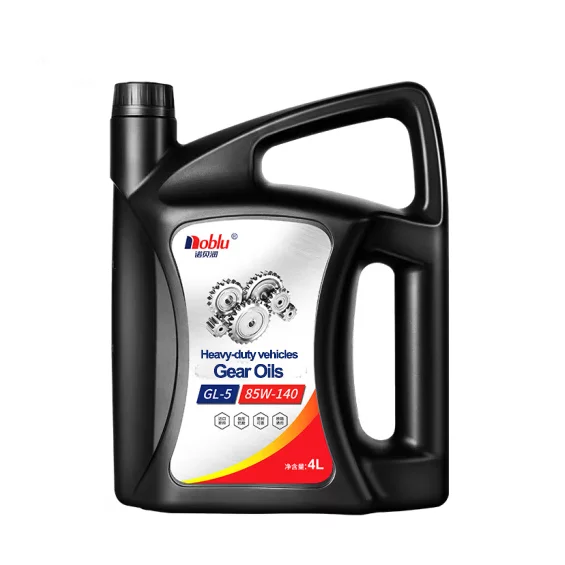
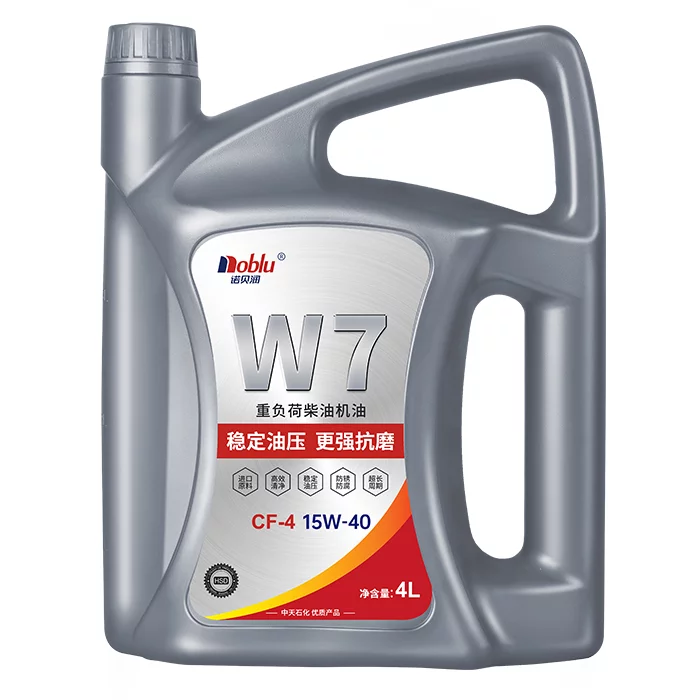
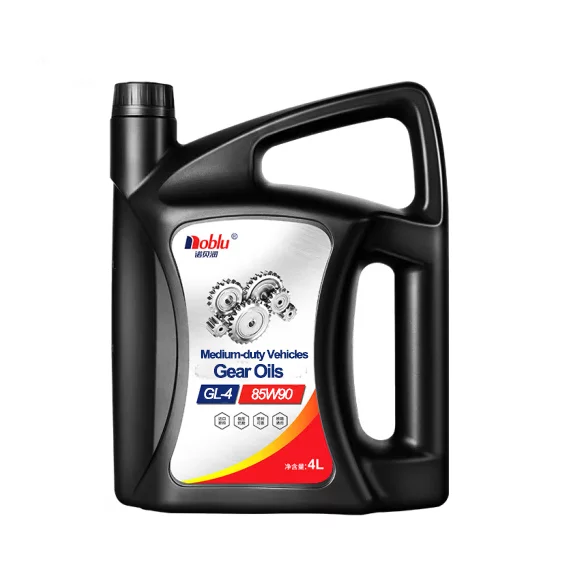
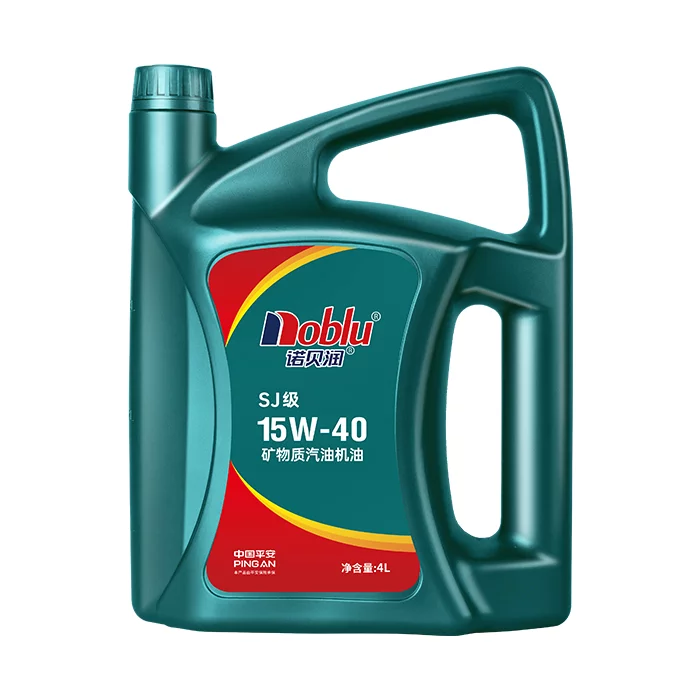
A Brazilian lubricant distributor placed a container order with Zhongtian Petrochemical after evaluating our samples, as first reported in April 2026.
- Buyer: a lubricant distributor in Brazil; we do not publish its name
- Order: one container, placed after the buyer’s own sample evaluation
- Brazil rule: importing finished lubricants needs ANP authorization; engine and transmission oils also need product registration
- Sea transit: Maersk schedules 37 days port to port from Shanghai to Santos
| Reported | April 2026 |
|---|---|
| Buyer | Lubricant distributor, Brazil (name not published) |
| Supplier | Anhui Zhongtian Petrochemical Co., Ltd, Susong, Anhui, China |
| How the order came about | The buyer requested and evaluated samples, then ordered a container |
| Products | Lubricants; the grade list is not published in this report |
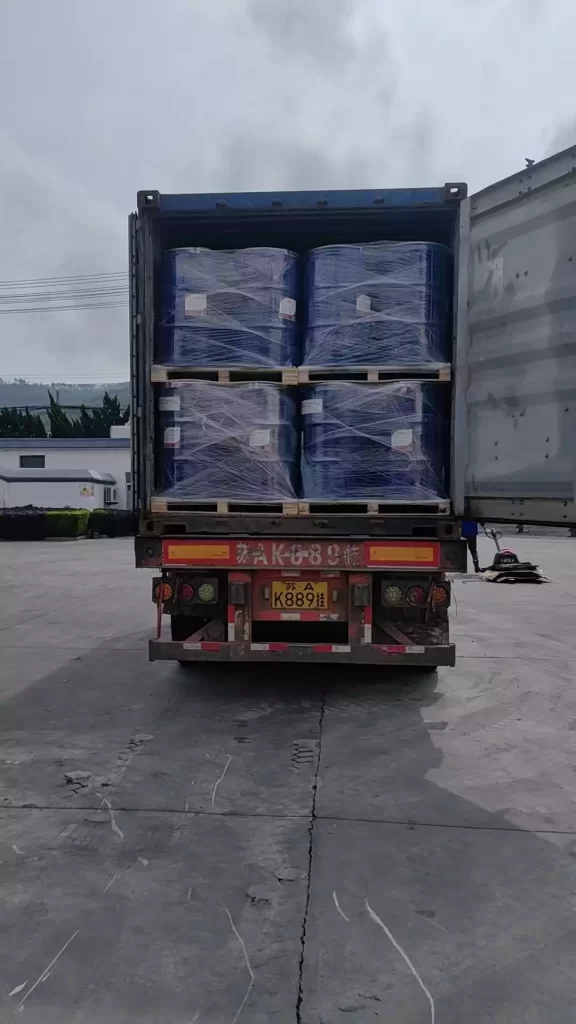
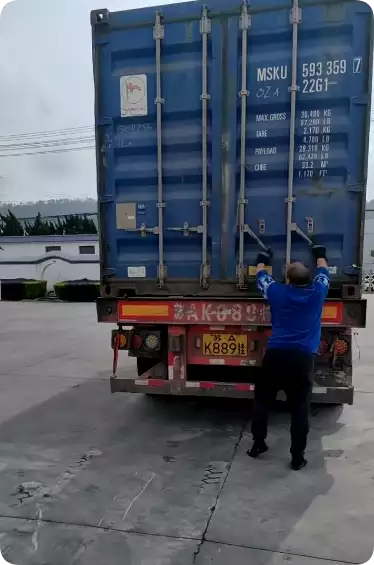
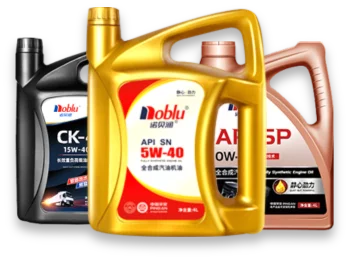
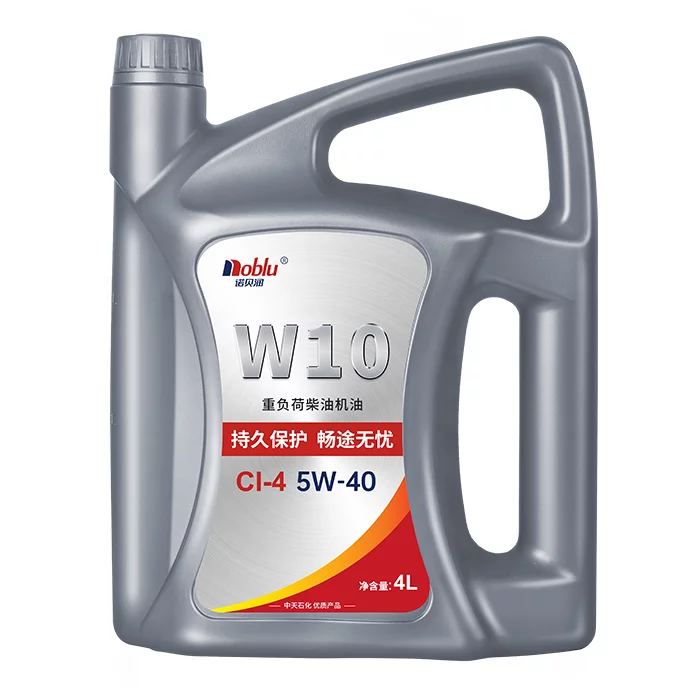
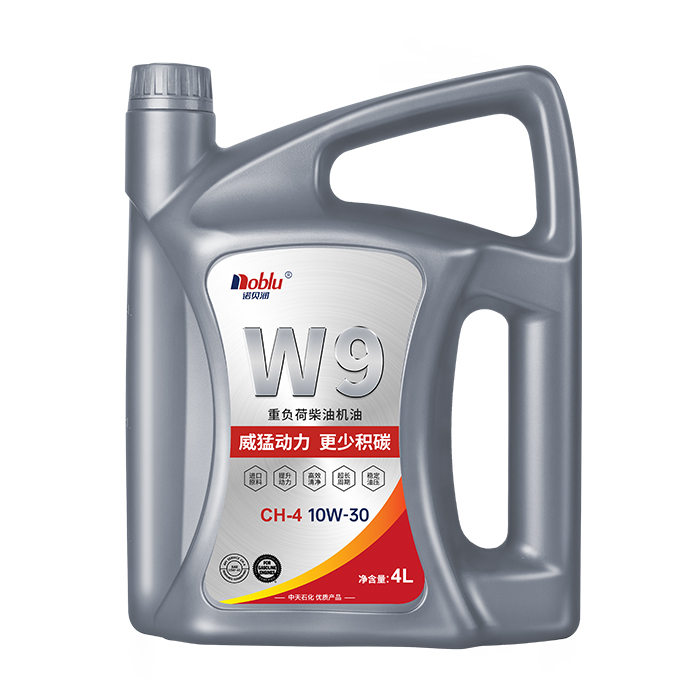
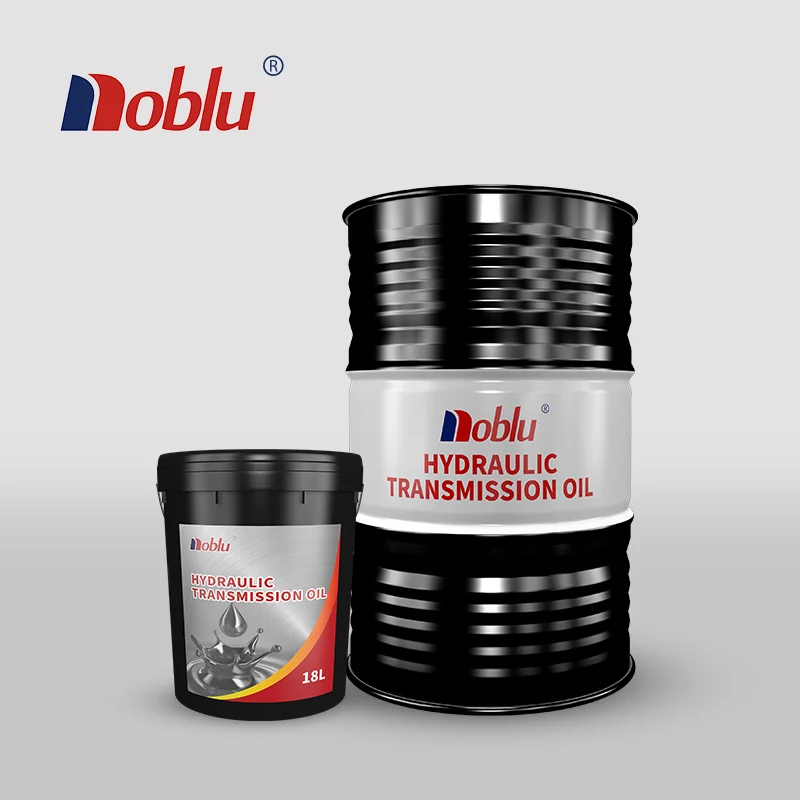
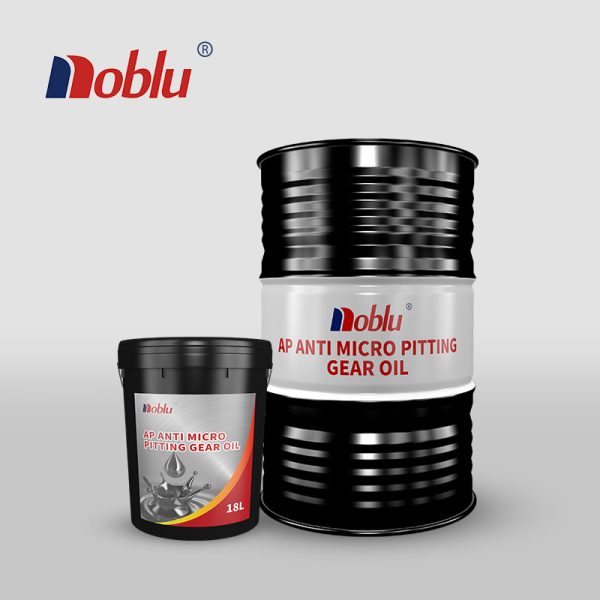
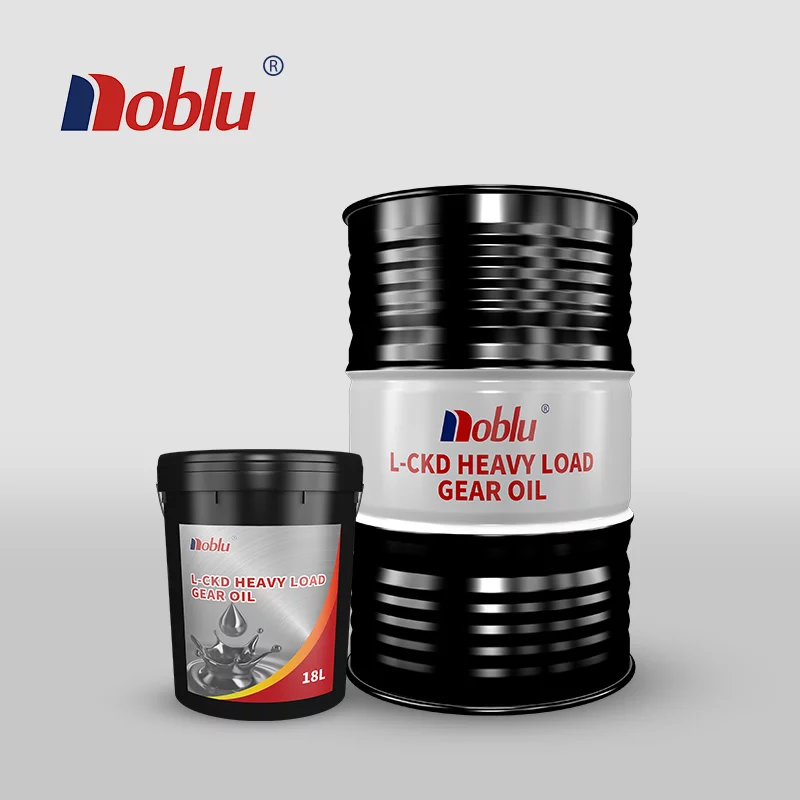
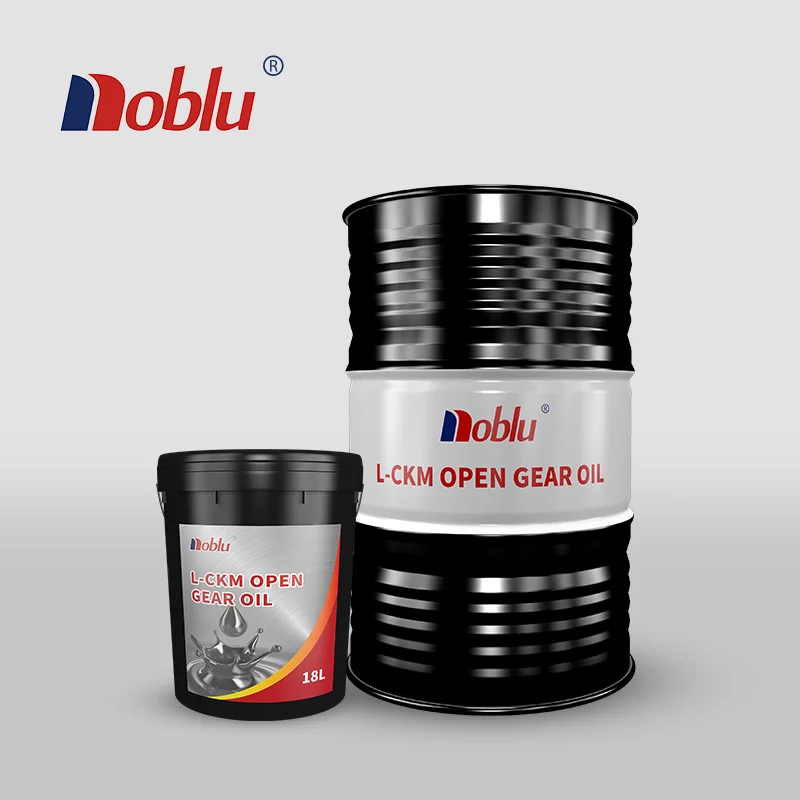
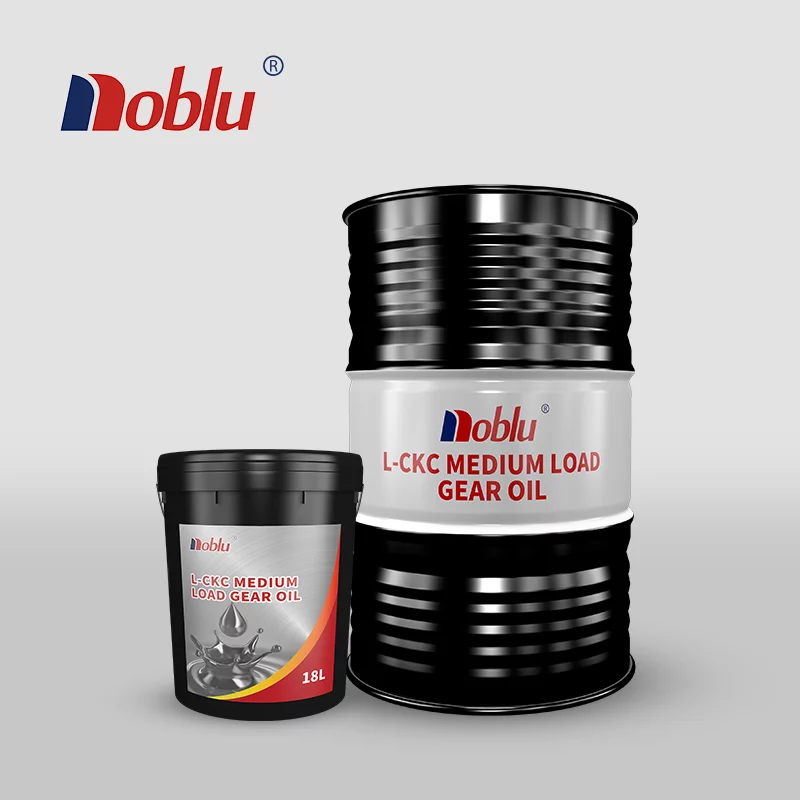
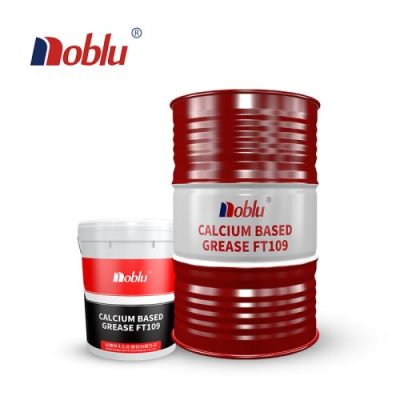
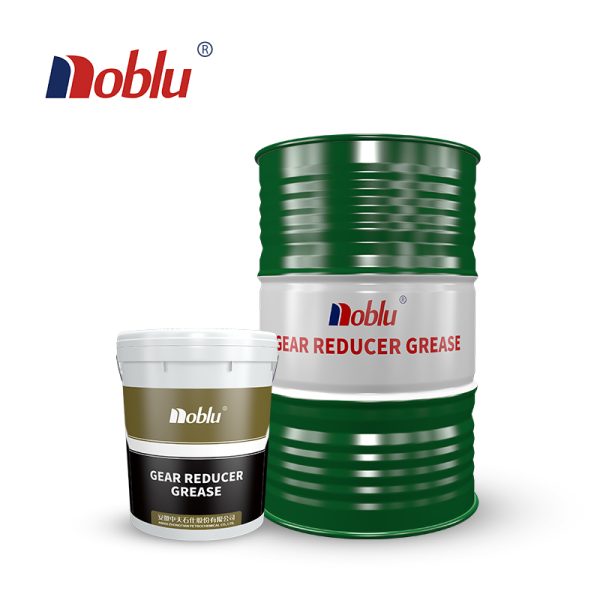
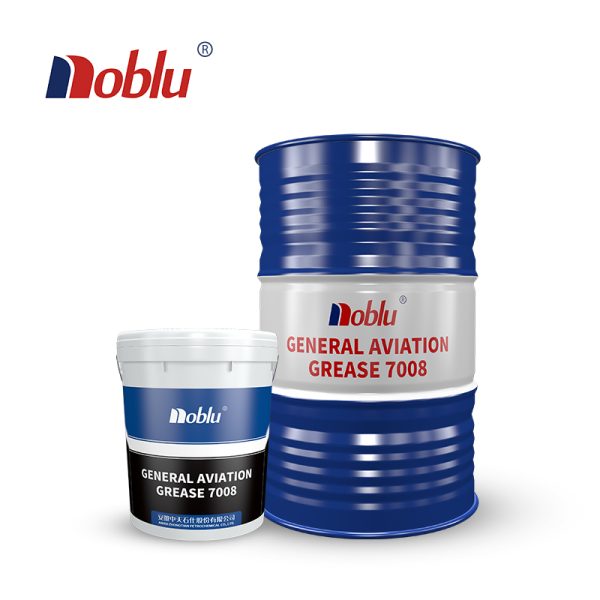
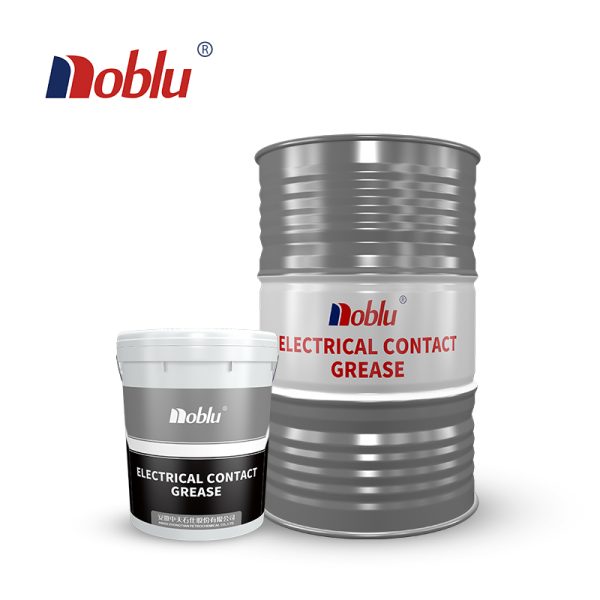
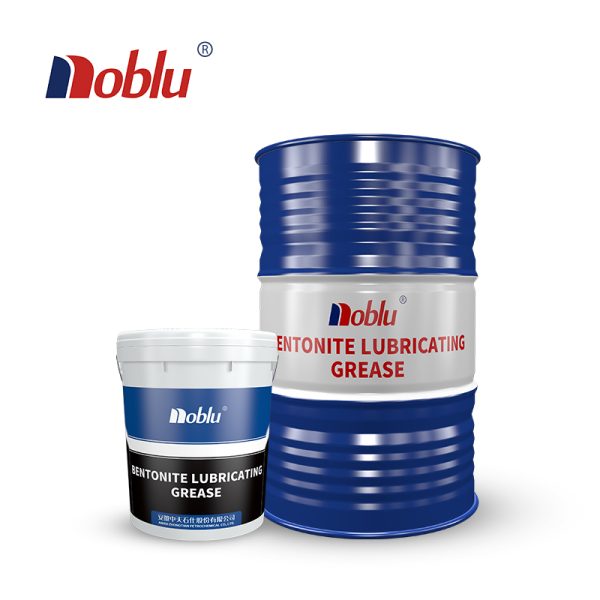
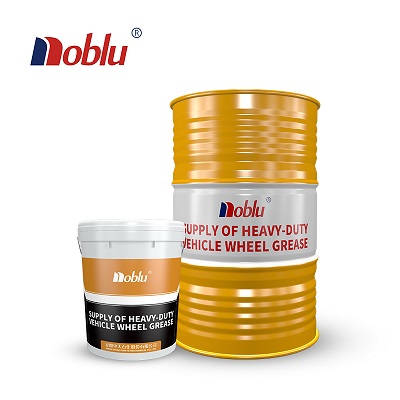
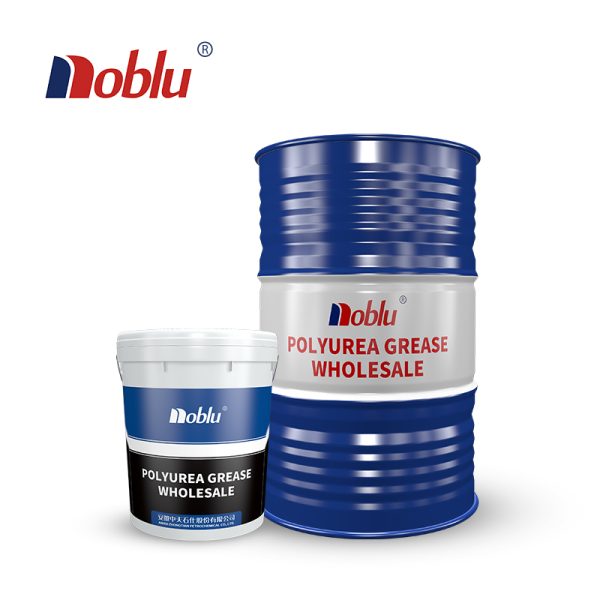
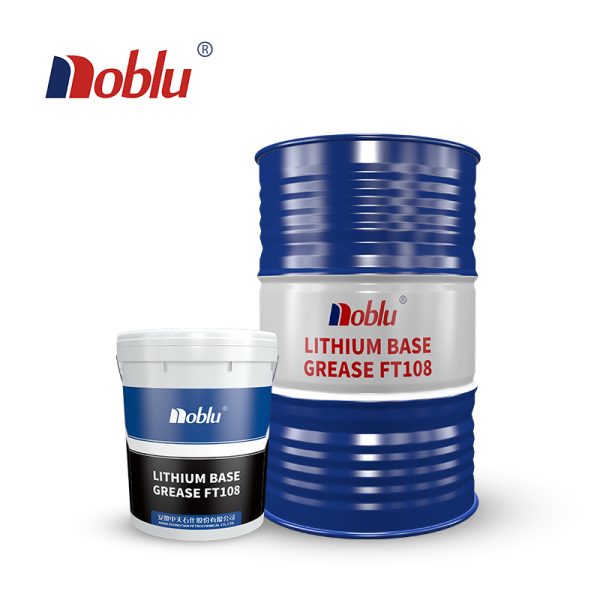
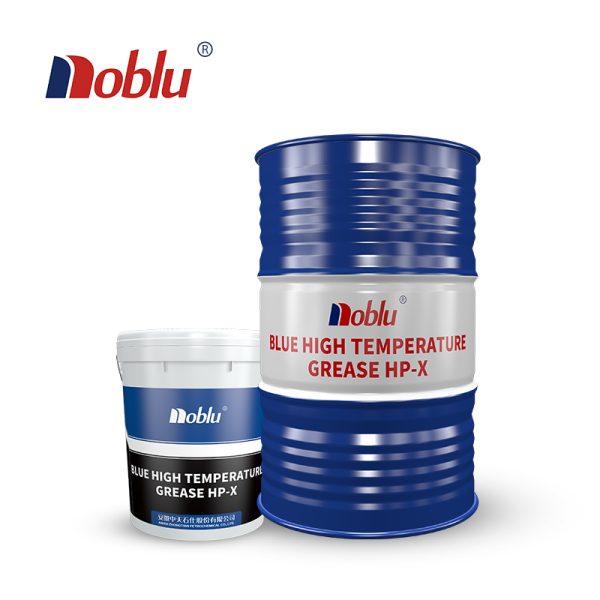
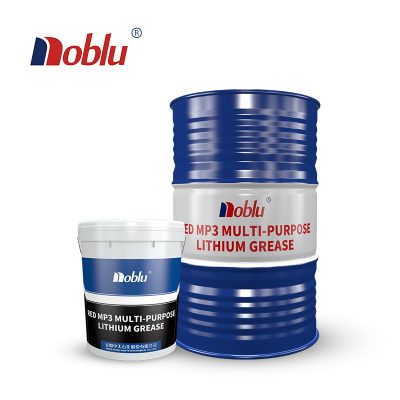
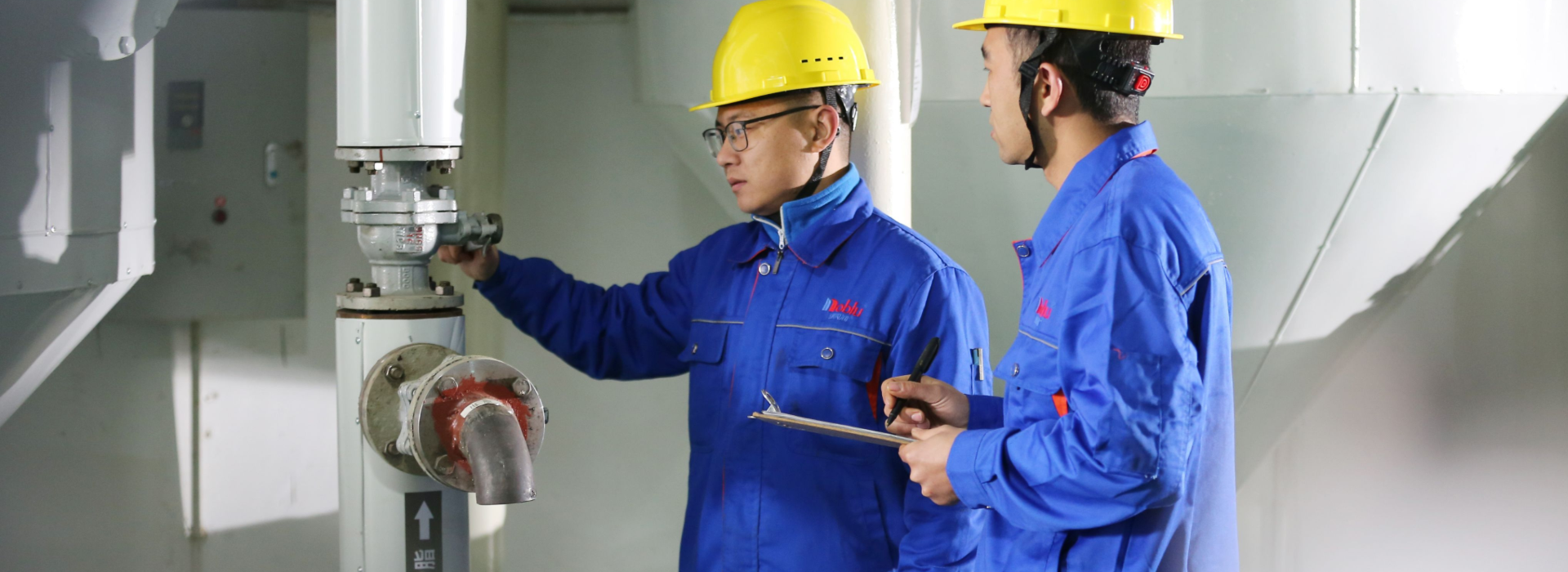
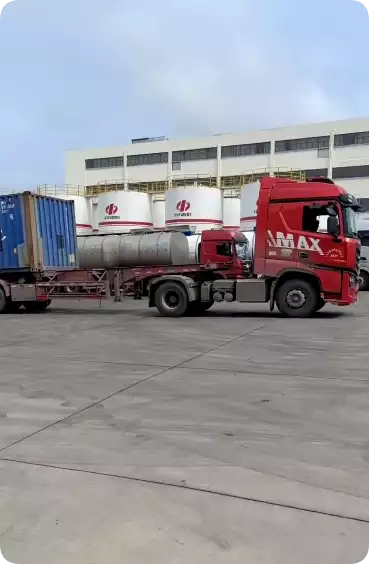
Photos from the Brazil container order, first published with this report in April 2026.
The buyer is a lubricant distributor in Brazil. It asked us for samples, evaluated them on its side, and then placed a container order, a typical first step when importing lubricants from China. We are not publishing the buyer’s name or its internal evaluation results.
Zhongtian Petrochemical was founded in 1998 and makes lubricating oils and greases at its plant in Susong, Anhui. Lubricating oil capacity is 200,000 tonnes a year, and we export to more than 100 countries and regions. A technical data sheet, safety data sheet and certificate of analysis are available for each grade and batch.
Sample checks before a first container make sense in Brazil, and the regulation explains why. Under ANP Resolution 804/2019, the Brazilian registration holder, not the foreign blender, is responsible for product quality. If a registered product on the shelf fails an ANP test, it is the Brazilian company that answers for it.
What do Brazilian buyers check before importing lubricants from China?
Brazilian buyers check five things first: the ANP step for each product, the document pack, batch consistency, landed cost and transit time. We read Brazilian Reddit threads (r/carros, r/empreendedorismo), ANP bulletins and Brazilian press to see what buyers and mechanics actually raise. Threads about Chinese lubricants specifically are rare. The recurring worries are registration, counterfeit or out-of-spec oil, and import costs that are hard to pin down before ordering.
Replies in r/carros tend to default to the large multinational and Brazilian brands people already know. In one thread on whether to use the carmaker’s recommended brand, the top replies say the brand matters less than meeting the viscosity and API or ACEA specification in the manual, as long as it is not an unknown label. One r/carros reply puts it as “desde que não escolha alguma “João Super Oil”” (as long as you avoid some no-name oil). An imported brand has to answer that doubt with documents.
Does the lubricant need ANP registration, and who holds it?
Importing any finished lubricant into Brazil needs ANP authorization, and engine, transmission and multifunctional equipment oils also need product registration. ANP Resolution 804/2019 lists the products that need prior registration before they are imported or sold. Products outside that list are exempt from prior registration, but the importer still needs ANP authorization to import finished lubricants.
- Registration required (Art. 2): automotive engine oils, automotive transmission oils, multifunctional oils for vehicles, excavators and tractors, aviation, marine and two-stroke oils, power steering oils, biodegradable oils and greases, and incidental food-contact oils and greases.
- Import authorization (Art. 3): producing or importing any finished lubricant depends on ANP authorization for that activity.
- Who holds the registration (Art. 5): an ANP-authorized producer or importer, or a brand owner that has the product made under contract and meets the resolution’s rules.
- Label (Art. 12): the ANP registration number and, for imports, the producer’s name and country of origin.
Enforcement is real. In ANP’s lubricant monitoring bulletin published in May 2025, 9 of 210 retail samples (4.3%) had registration irregularities, and ANP listed the unregistered products by name with the warning “Estes produtos não devem ser adquiridos!” (these products should not be bought). In Ceará, consumer-protection officers with ANP staff seized 10,778 litres of unregistered automotive oil in March 2023. Anyone can check an active registration on ANP’s public data portal, so a missing or false number on the label is easy to spot.
What documents should a Chinese lubricant supplier provide?
The ANP registration file needs a technical data sheet, product specifications, proof of the declared performance level, additive documents and the original foreign label. These come from the manufacturer, so the importer depends on the supplier to produce them in usable form.
- Technical data sheet and specifications (Art. 7, IV and V): the values the importer declares to ANP and that later retail samples are checked against.
- Proof of performance (Art. 7, VI): evidence for any API or other performance level printed on the label.
- Additive documents (Art. 7, VII): technical documentation for the pour point depressant and viscosity index improver.
- Foreign label (Art. 7, IX): the original label of the imported product, next to the Brazilian label.
For the Brazil order, the registration and import steps sit with the Brazilian importer. Our part is the technical file: data sheets, safety data sheets, batch certificates of analysis and the label artwork, plus our ISO 9001:2015 certificate (No. 62825Q9372R0S) for the buyer’s supplier file. An API service category on a label is a performance claim, not an API licence, so a Brazilian buyer should ask how it is supported.
How do buyers make sure the container matches the sample?
ANP tests retail samples against the data declared at registration, so every container must match the formulation the importer registered. In the May 2025 bulletin, 18 of the 201 registered samples (9.0%) failed at least one quality test, and 14 (7.0%) had additive levels outside their registered values.
That is why a sample approval is only the first step. Resolution 804/2019 allows up to three alternative formulations per viscosity grade, and formulation changes must be filed with ANP. The importer also has to keep a counter-sample when ANP collects one. In practice, a buyer should ask the supplier to keep the approved formulation fixed, send a certificate of analysis with each batch, and give notice before any change of base oil or additive package. Retail buyers feel the same pressure from the other side: one r/carros user choosing an engine oil wrote simply “Tenho medo de falsificação mesmo” (I really am afraid of counterfeits).
How do Brazilian importers estimate landed cost?
Brazilian importers say the hardest part is knowing the real landed cost before they commit to a supplier. One r/empreendedorismo user who studied importing from China listed NCM code, II, IPI, PIS/COFINS, ICMS, freight, exchange rate and Incoterms, and wrote that it is hard to know “o custo REAL de uma importação antes de fechar” (the real cost of an import before closing the deal).
Another user, who says his company imports about two containers a week, broke the cost per container into separate lines. His figures were for low-value goods, not lubricants, so use the list, not the numbers.
- Ocean freight: charged per container.
- Import taxes: the largest line in his list; he says they depend on the goods’ value and weight.
- Services: the Brazilian customs broker and export services on the China side.
- Port and inland: mandatory port storage, haulage to the warehouse and return of the empty container.
- Registration: the importer must be enabled in Siscomex (RADAR) before the first import.
The tax lines depend on the NCM code, which the buyer’s customs broker should confirm for each grade before pricing. To make that calculation possible, ask any supplier, including us, for a FOB or CIF quote, the HS code on its export declaration and a packing list with net and gross weights per grade.
How long does shipping lubricants from China to Brazil take?
Maersk schedules 37 days port to port from Shanghai to Santos on its ASAS2 service, before production time, customs clearance and inland delivery. The weekly importer quoted above described the same reality from the buyer’s side: goods take at least a month and a half to arrive, clearance takes about a week, and the money paid to the supplier is tied up the whole time. In his words, “você perde muita liquidez” (you lose a lot of liquidity).
On our side, grades in stock ship in 3 to 7 days, and made-to-order grades take 10 to 20 days depending on quantity. A Brazilian buyer planning a first order should add that to the sea transit and clearance time, and order early enough that the registration paperwork is finished before the container arrives. Our guide to sourcing lubricants from a manufacturer covers the rest of the supplier checks.
Sources and notes
- ANP Resolution 804/2019 (published in the DOU on 23 December 2019), Articles 2, 3, 5, 7, 9, 12, 17 and 18. Full text: LegisWeb.
- ANP, Boletim do Programa de Monitoramento de Lubrificantes 1/2025, published 5 May 2025; 210 samples collected July to August 2024. gov.br/anp.
- MPCE (Ministério Público do Ceará), DECON seizure of 10,778 litres of unregistered automotive oil, 23 March 2023. mpce.mp.br.
- Maersk, new ASAS2 service connecting the east coast of South America and Asia, 4 March 2025: Shanghai to Santos 37 days. maersk.com. Scheduled port-to-port days, not door-to-door times.
- Reddit comments, read on 29 October 2026: r/carros, 23 October 2024 and 11 May 2026; r/empreendedorismo, 12 October 2024 and 18 May 2026. Links are in the text. They are individual opinions, quoted briefly, not survey data.
- Zhongtian company data: ISO 9001:2015 certificate 62825Q9372R0S (valid to 24 April 2028), lubricating oil capacity and lead times from our company data.
- An earlier version of this page included test results, brand comparisons, customer field reports and a margin table that we could not document. They were removed in October 2026.