



About the Author Manager Zhu | Senior Industrial Lubricant Sales, Anhui Zhongtian Petrochemical 15 years serving procurement teams in mining, metallurgy, construction machinery and logistics fleet operations.
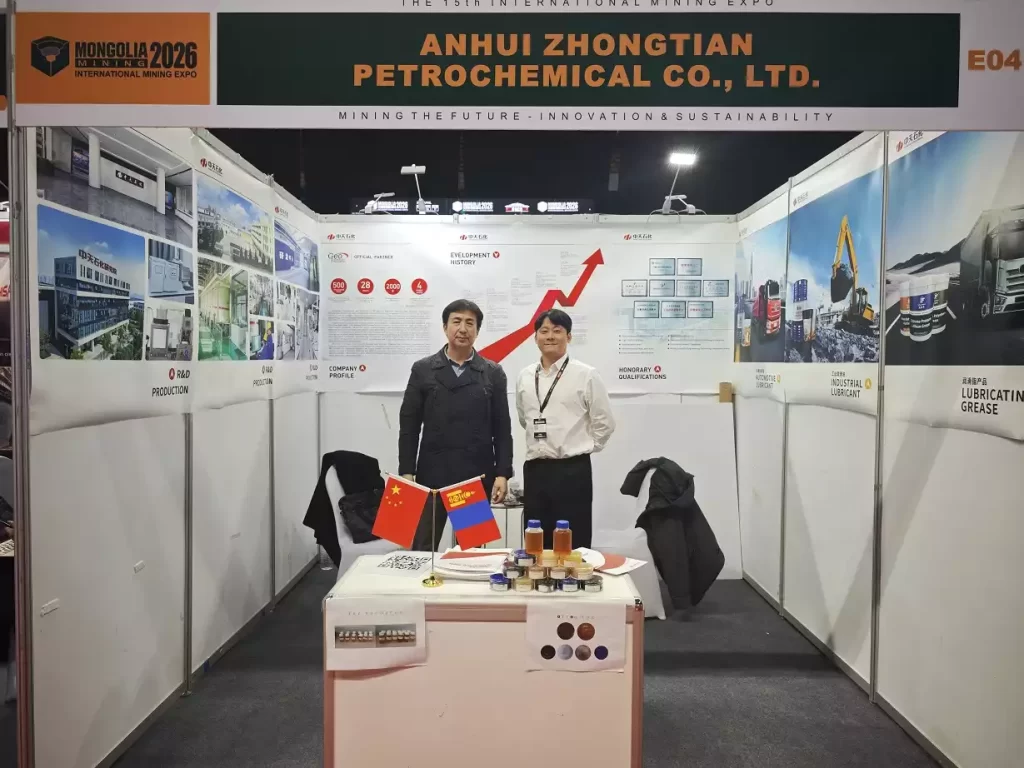
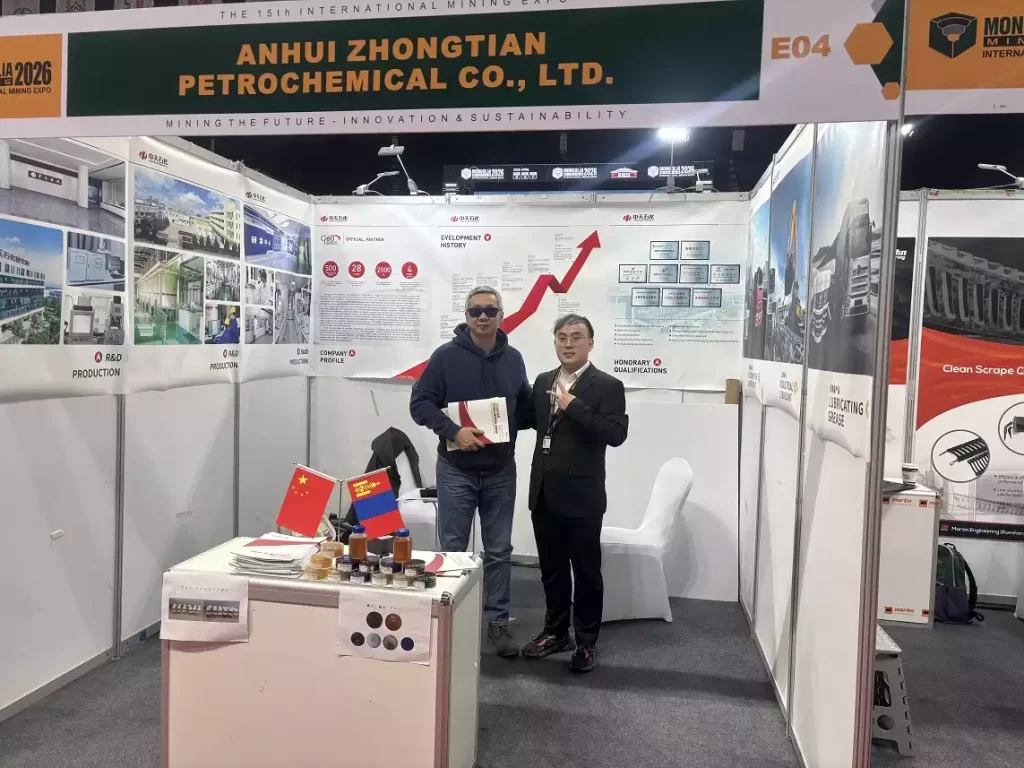
If you are heading to Mongolia Mining 2026 (April 15–17, Ulaanbaatar) with a lubrication decision to make, this is the only guide you need. Surface mining equipment in Mongolia runs under one of the harshest combinations of cold startup, high load, and abrasive contamination found anywhere in industrial procurement. The wrong fluid selection does not just accelerate wear — it stops the shift. This guide breaks down the selection logic system by system, with direct answers for the questions we hear most often at the booth.
Hydraulic Oil or Gear Oil & Grease — What Does a Mongolian Mine Site Actually Need First?
Split by equipment system, not by brand — hydraulic circuits and gear drives have opposite performance requirements and must be evaluated separately. Hydraulic systems need low cold-start viscosity, fast pump response, and consistent anti-wear film under variable pressure loads. Gear drives and open transmissions need high load-carrying capacity, surface adhesion, and shock-load resistance. A large excavator runs both systems simultaneously. Choosing the wrong fluid for either one does not degrade performance gradually — it produces a failure event.
Why Extreme Cold and Large Temperature Swings Directly Decide Your Lubricant Selection
Low temperatures amplify every viscosity mismatch, and Mongolia’s daily temperature swings turn a marginal fluid choice into a guaranteed maintenance problem. In spring at Mongolian surface mine sites, overnight lows of −35 °C are followed by midday temperatures above +25 °C. That 60-degree swing does not just stress the fluid — it exposes wrong selections twice per day. At pre-dawn startup, oils formulated for temperate climates thicken to near-solid, starving hydraulic pumps and gear contacts in the first critical minutes. Wear rates in this cold-start window are 3–5× higher than during steady-state operation. That is when the damage accumulates, not during the working shift.
Synthetic Lubricants vs Mineral Lubricants — Which Is More Cost-Effective on a Mine Site?
The right comparison is not unit price per drum — it is total operating cost per machine-hour across a full operating season. Drain interval, cold-start pump protection, unplanned downtime frequency, and equipment service life all feed into that number. A mineral oil priced 40% lower that requires twice the drain frequency and causes one hydraulic pump replacement has already produced a net loss by month four. On high-utilization equipment running 18–20 hour cycles, synthetic fluids with extended drain intervals and better cold-weather viscosity stability routinely deliver lower total cost despite higher purchase price. The buyers who have run this calculation — and we have reviewed it with procurement teams across Central Asian mining operations — almost always reach the same conclusion.
The Three Decisions Every Mongolia Mining Buyer Will Face
| Decision | Option A | Option B | What Field Experience Shows |
|---|---|---|---|
| Fluid specification | General-purpose mineral oil, standard viscosity grade | Extreme-cold synthetic, purpose-built for cold-start pump protection | Mine sites running 20-hour cycles calculate on downtime cost per hour, not drum price. Synthetic wins on total cost in climates below −20 °C |
| Supply model | International brand via authorized regional distributor | China direct-supply manufacturer with factory technical support | Lead time, sample turnaround and on-call application support now outweigh brand recognition in Central Asian mining procurement |
| Gear lubrication format | Open gear oil (spray or circulation system) | Open gear grease (adhesive, contamination-resistant) | Exposed transmissions in dusty, wet or abrasive environments retain grease film longer; enclosed or spray systems favor oil for penetration consistency |
Open Gear Oil vs Open Gear Grease — The Selection Comes Down to One Question
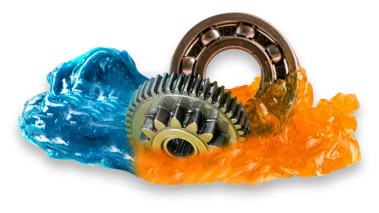
If the transmission is exposed to dust, mud or water ingress, grease adhesion outperforms oil film retention — choose grease first, then determine viscosity grade. Open gear oil performs better in semi-enclosed systems where spray coverage and mesh penetration consistency matter more than staying power. On Mongolian surface mining equipment — rotary drills, large excavator swing rings, dragline walking mechanisms — the operating environment is almost always abrasive and open. Heavy-duty open gear grease with high adhesion and EP additives is the technically defensible default for these applications. Open gear oil becomes the right answer when the equipment OEM specifies a spray lubrication system with defined viscosity requirements.
Why Low-Temperature Hydraulic Oil Is the Correct Specification for Mongolian Mine Sites
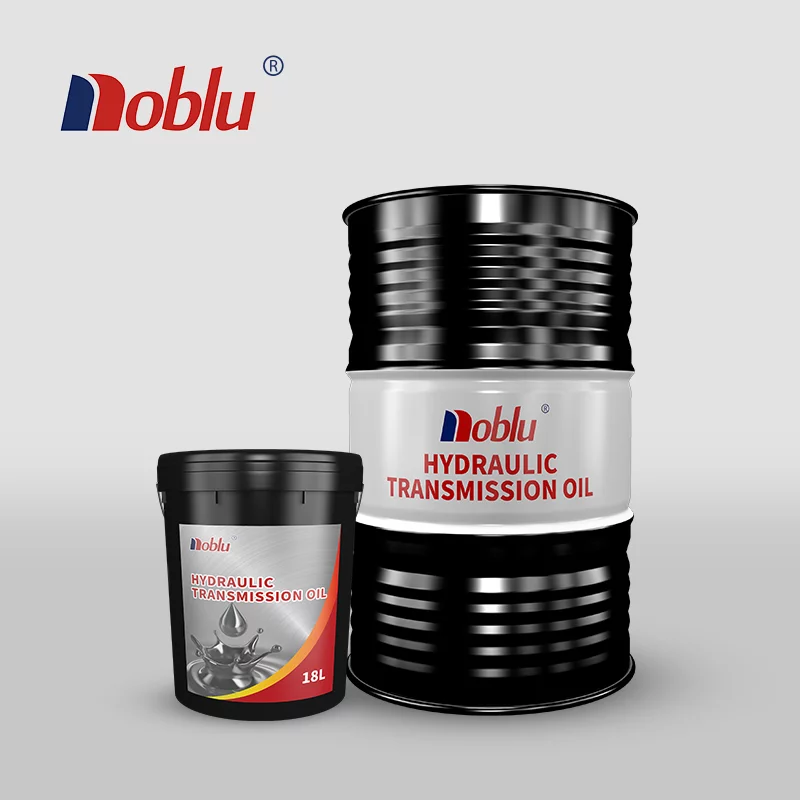
At −30 °C startup, hydraulic response speed and pump-ability determine whether the first 15 minutes of a shift produce work or wear damage. Standard viscosity grades that meet temperate-climate specifications produce pressure lag, sluggish boom response, and cavitation risk during cold start in Mongolian winter and spring conditions. ZT Petrochem’s low-temperature hydraulic oil is structured as a standalone product line for this operating profile — not a modified general-purpose fluid, but a purpose-formulated cold-start solution with pour points below −45 °C and fast viscosity recovery during warm-up.
The five performance demands that define lubricant selection on Mongolian mine sites — use this as your evaluation checklist:
- Extreme-cold hydraulic response — pump-ability and pressure stability at −35 °C startup, not just pour point compliance
- High-load gear anti-wear and anti-pitting — sustained EHD film strength under shock loading in enclosed and open drives
- Open transmission adhesion and contamination resistance — film staying on the tooth face in dust, mud and water
- Sample testing, drain interval and downtime cost — the actual procurement math that determines real-world cost per hour
- Supply verification and long-term delivery stability — what separates a sample order from a three-year supply agreement
Why Mine Site Buyers Are Re-Evaluating Chinese Direct-Supply Manufacturers
Procurement decisions in Central Asian mining have shifted away from brand recognition toward three operational criteria: delivery reliability, sample turnaround time, and application-specific technical support. Chinese direct-supply manufacturers that can confirm all three are now winning evaluations they would have lost five years ago, particularly for non-OEM-specified lubricants where the buyer controls the specification. Anhui Zhongtian Petrochemical (ztshoil.com), established in 1998, has built its supply model around factory-direct delivery, 2-week sample dispatch, and application engineers who answer specification questions — not distributor sales reps who escalate them.
The Four Product Categories ZT Petrochem Brings to Mongolia Mining 2026 — And Why Each One Matters
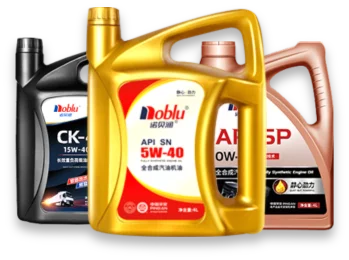
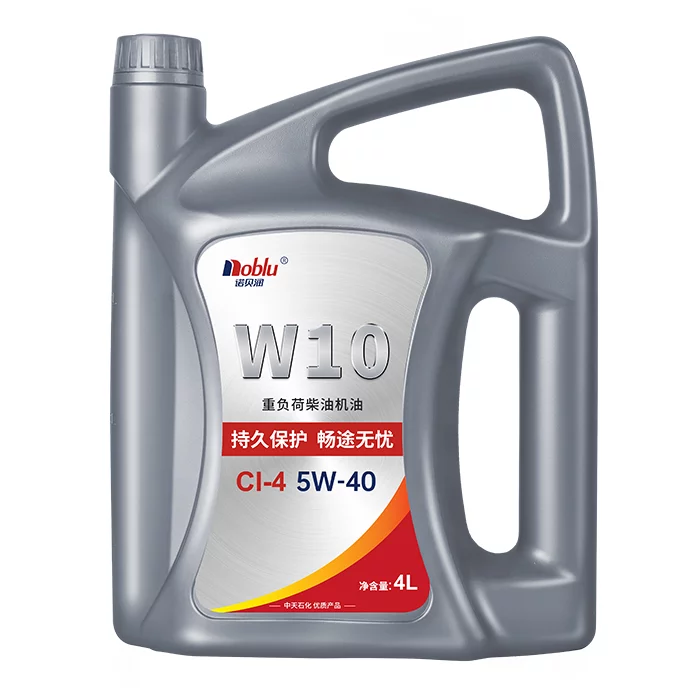
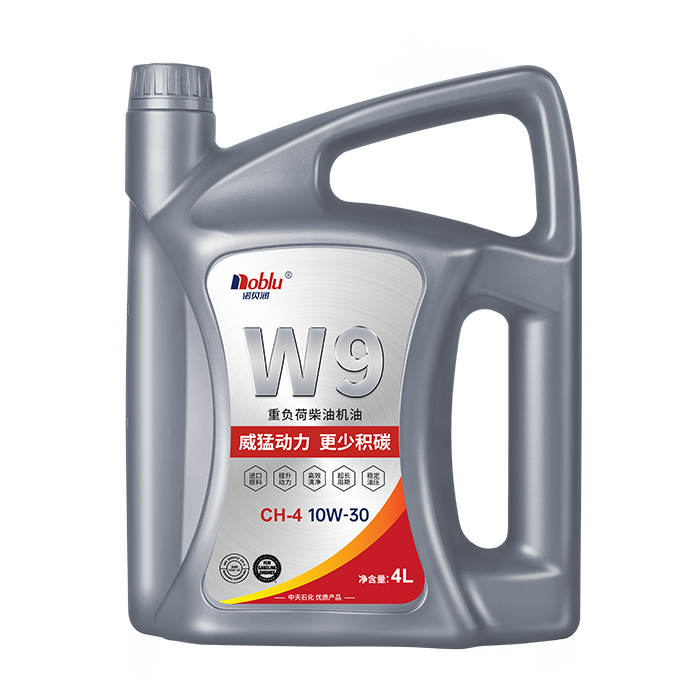
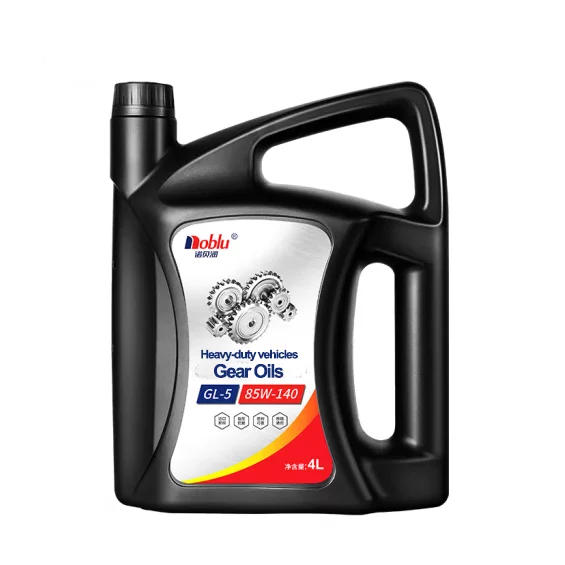
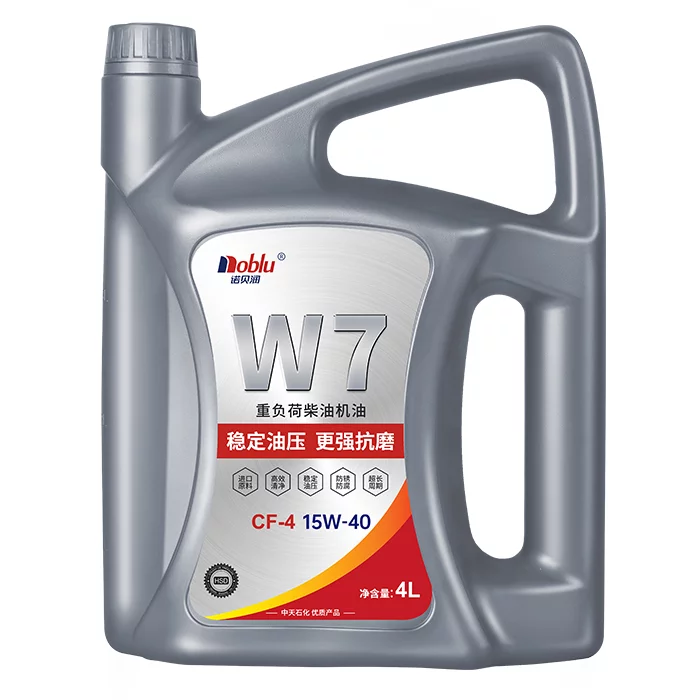
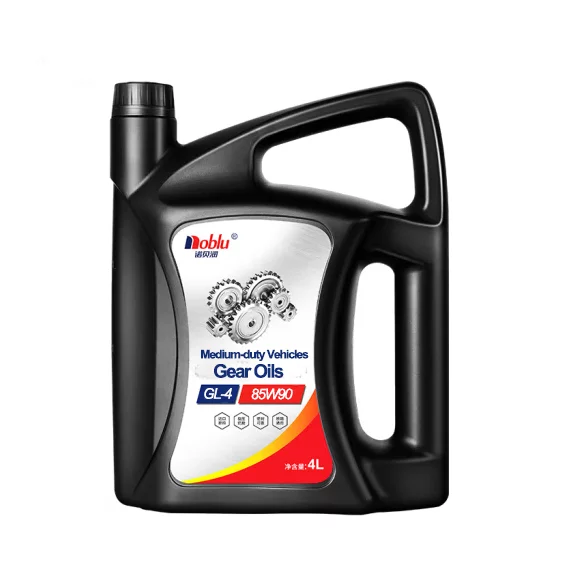
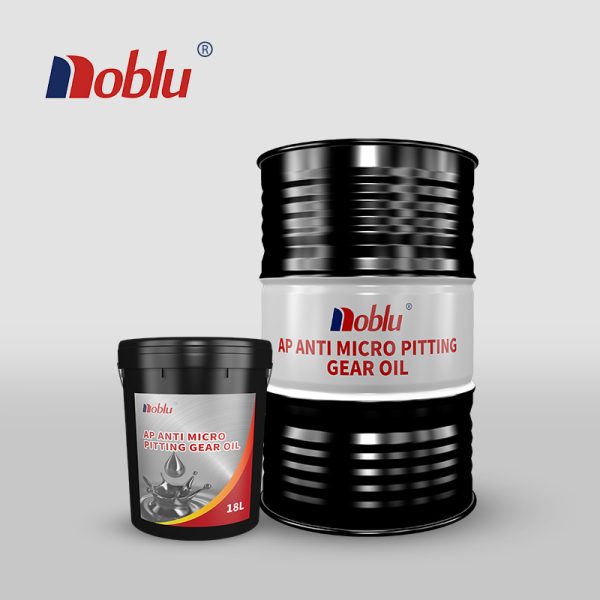
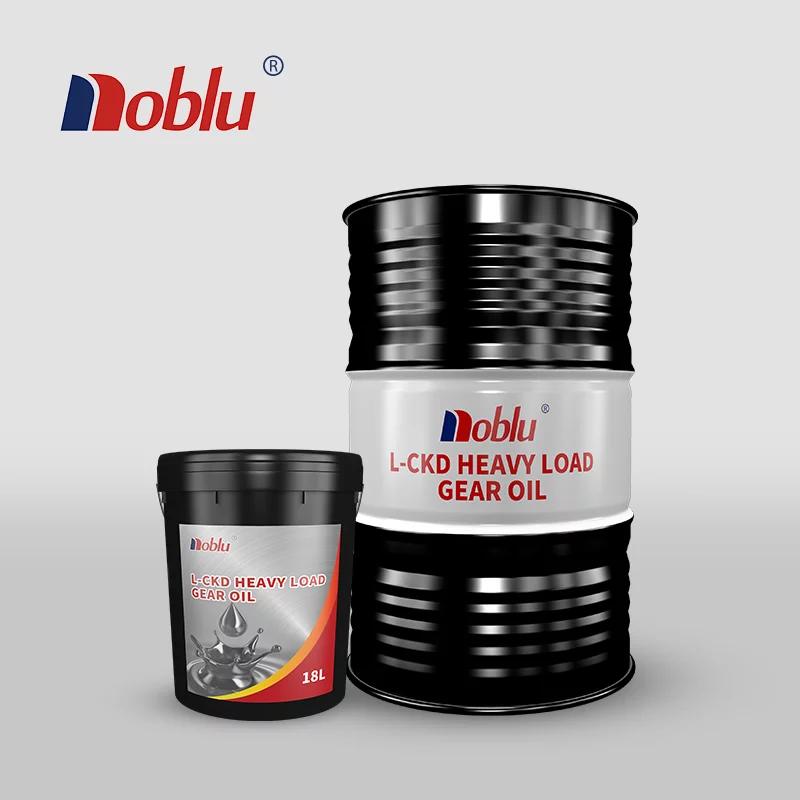
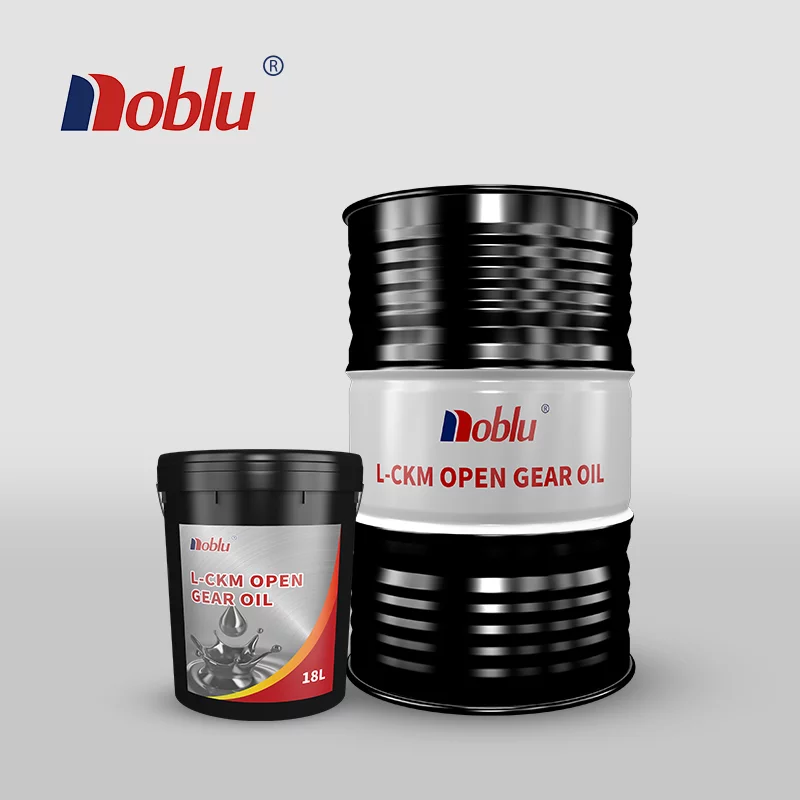
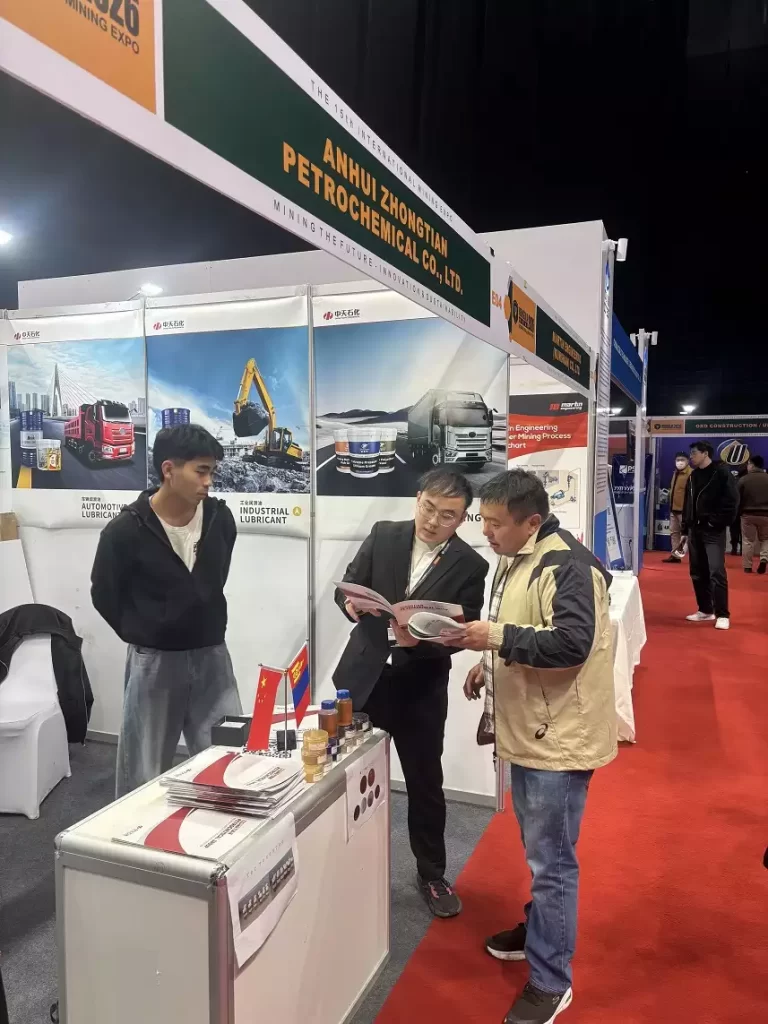
For Mongolian mine site procurement, four product categories cover the highest-frequency lubrication failure points on surface mining equipment: low-temperature hydraulic oil for cold-start pump protection, synthetic heavy-load gear oil for enclosed drives under sustained high torque, heavy-duty open gear grease for exposed ring gears and pinions in abrasive conditions, and open gear oil for spray lubrication systems. Booth samples are available for all four categories. Buyers who want to initiate lab or field testing before committing to volume can take samples at the show and expect a technical data package within 48 hours.
The Most Common Lubrication Problems That Actually Cause Mining Equipment Downtime
The failure mode is almost never “forgot to lubricate” — it is wrong product selection, overextended drain intervals, and contamination that invalidated the fluid before it failed the equipment. Across field visits to mining clients in Central Asia over the past decade, three failure patterns repeat: viscosity grade chosen for ambient operating temperature rather than cold-start conditions, open gear lubrication intervals set by calendar rather than load cycle and contamination level, and hydraulic filter maintenance lagging behind fluid oxidation rate. The first failure is a specification problem. The second and third are application support problems. Both are solvable at the procurement stage — if the supplier brings application knowledge to the conversation, not just a product catalogue.
What to Do at the Mongolia Mining 2026 Booth Before You Leave
Walk away with three things: a sample set matched to your equipment list, a written technical spec comparison against your current supplier, and a lead time confirmation for your first trial order. A preliminary agreement without these three elements has no procurement value — it is a business card with extra steps. ZT’s team at Mongolia Mining 2026 is structured to complete all three in a single booth visit. If you are managing lubrication procurement for a mine site operating below −20 °C, the technical discussion alone is worth the 20 minutes.
Contact : info@ztshoil.com · www.ztshoil.com
Mongolia Mining 2026 · April 15–17, Ulaanbaatar · Anhui Zhongtian Petrochemical