




Keeping machinery well-lubricated is essential for performance and longevity. This guide goes beyond basic signs and provides a 30-second field test, recommended replacement steps, a maintenance frequency table, internal product links, and a short case study to help maintenance teams make fast, accurate decisions on the shop floor.
Quick 30-Second Field Test
- Spread a small sample of grease on white paper and check color.
- Rub a small amount between your fingers to feel for grit or separation.
- Listen for abnormal noises while the machine runs at low speed.
- Measure bearing or housing temperature with a contact or infrared thermometer.
- If any abnormality appears (dark color, grit, strange sound, temperature rise ≥ 8–10°C), follow the replacement flow below.

Five Clear Signs and Practical Actions
1. Grease Discoloration
How to detect: Place a small amount of grease on white paper. Fresh grease has a consistent hue; darkening to brown/black or visible metallic particles indicates contamination or oxidation.
Action: Replace grease, inspect seals and housings for water or dust ingress, and, if available, send a sample for laboratory analysis to confirm contamination sources.
2. Change in Consistency (Grittiness or Phase Separation)
How to detect: Rub grease between fingers; gritty feel or visible oil separation (liquid phase) indicates breakdown or contamination.
Action: Clean bearings and housings, replace seals, and perform a full grease purge rather than topping up. Consider switching to a grease with better mechanical stability if the problem recurs.
3. Unusual Noise or Vibration
How to detect: Conduct a listening test at low and normal speeds; use vibration analysis tools if available.
Action: Suspect inadequate lubrication distribution or degraded grease—stop operation for inspection and perform a complete grease replacement and bearing check.
4. Increased Operating Temperature
How to detect: Monitor equipment temperatures and compare to baseline. A sustained rise of 8–10°C is a strong indicator of lubrication failure or excessive friction.
Action: Check grease type (is it rated for current operating temperature?), inspect cooling systems, and replace grease with a high-temperature formula if necessary.
5. Scheduled Maintenance Intervals
How to detect: Follow OEM recommendations and adjust for actual operating conditions—don’t wait for failure signals alone.
Action: Build routine grease checks into preventive maintenance checklists and log each inspection with results and actions taken.

Maintenance Frequency Reference Table (Sample)
| Equipment Type | Operating Conditions | Suggested Check Interval | Trigger for Immediate Replacement |
|---|---|---|---|
| Rolling bearings (light load) | Normal temp, low dust | Every 3 months | Color darkening or gritty feel |
| Gearboxes (high load) | High temp, continuous duty | Monthly | Temperature rise ≥10°C or oil separation |
| Conveyor rollers / pulleys | Dusty / intermittent | Monthly | Abnormal noise or vibration |
| High-temperature process equipment | Continuous high heat | Bi-weekly | Any change in consistency or seal failure |
Step-by-Step Replacement Procedure
- Record baseline conditions: temperature, noise, and machine load; photograph the grease condition if possible.
- Isolate and stop the equipment safely; unlock/lockout per safety rules.
- Remove protective covers, extract a sample using clean tools, and place it in a sealed container for optional lab testing.
- Clean the housing and components with appropriate solvent; dry completely before applying new grease.
- Replace worn seals or damaged components, then refill or repack with the selected grease following manufacturer dosage guidelines.
- Restart and monitor during the first 24 hours to confirm temperature and noise return to normal ranges.
Recommended Products
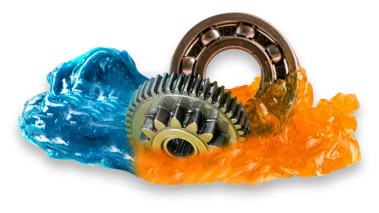
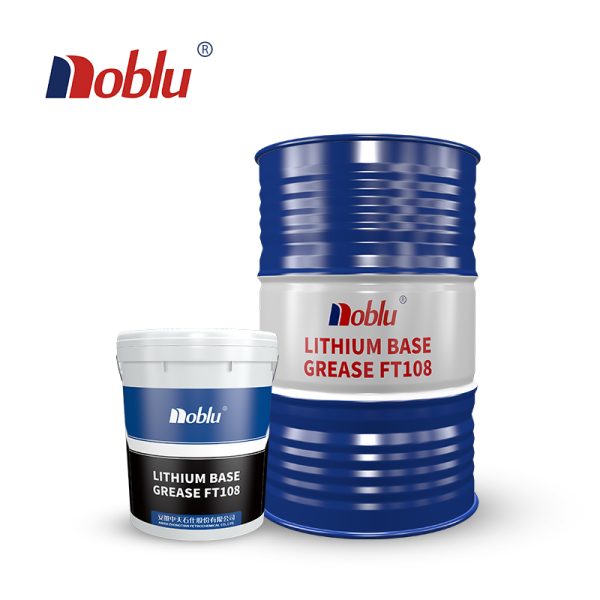
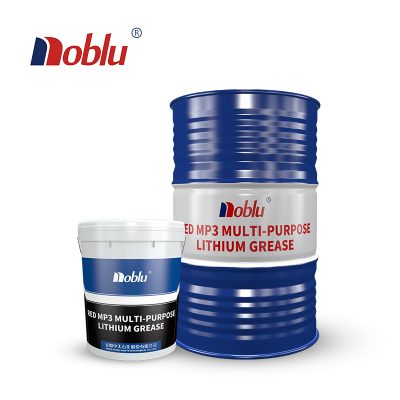
- PC MULTI-PURPOSE LITHIUM GREASE — versatile, good adhesion for rolling bearings and general applications.
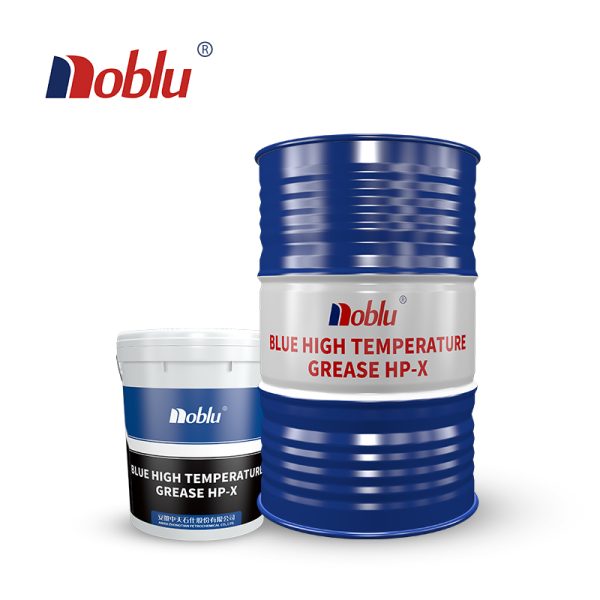
- HP-2 Blue High Temperature Grease — formulated for sustained high-temperature environments with enhanced oxidation resistance.
Short Case Study
A textile plant replaced the main drive bearings’ grease with our PC MULTI-PURPOSE LITHIUM GREASE. Post-change monitoring showed a 6°C drop in average bearing temperature and a measurable reduction in noise. Recorded bearing runtime increased by ~20% in subsequent inspections (internal records).
FAQ
Does discoloration always mean a grease must be replaced?
Usually yes—discoloration commonly indicates contamination or oxidation that reduces protective performance. Confirm with a sample test and replace as needed.
What is the quickest way to check grease condition on-site?
Use the 30-second field test: spread on white paper, rub a small amount between fingers, listen for abnormal noise, and measure temperature.
Which grease is best for high-temperature applications?
Choose a high-temperature-spec grease such as HP-2 Blue High Temperature Grease, which resists oxidation and maintains adhesion at elevated temperatures.
For more technical specs and product datasheets, visit Zhongtian Petrochemical or contact our technical team through the contact page.