




On August 17–18, 2026, a Gabon-based lubricant company visited Anhui Zhongtian Petrochemical in Hefei, China, for a two-day factory and technical evaluation. The visit centered on a specific goal: qualifying Zhongtian as an OEM supplier for the customer’s own lubricant brand, across diesel engine oil, hydraulic oil, gear oil and antifreeze.

The company was founded in 2001 as a family business and now operates across both B2B and B2C channels in Gabon. For twelve years it sourced from a Spanish supplier; regional market concentration on that side eventually pushed procurement costs up enough that it began qualifying a Chinese alternative. It opened a new branch office in 2026 and has a further branch planned in Congo-Brazzaville for 2027, alongside an estimated annual procurement volume of around 6,000 tonnes.
August 17: Factory Tour and Supplier Qualification Exchange
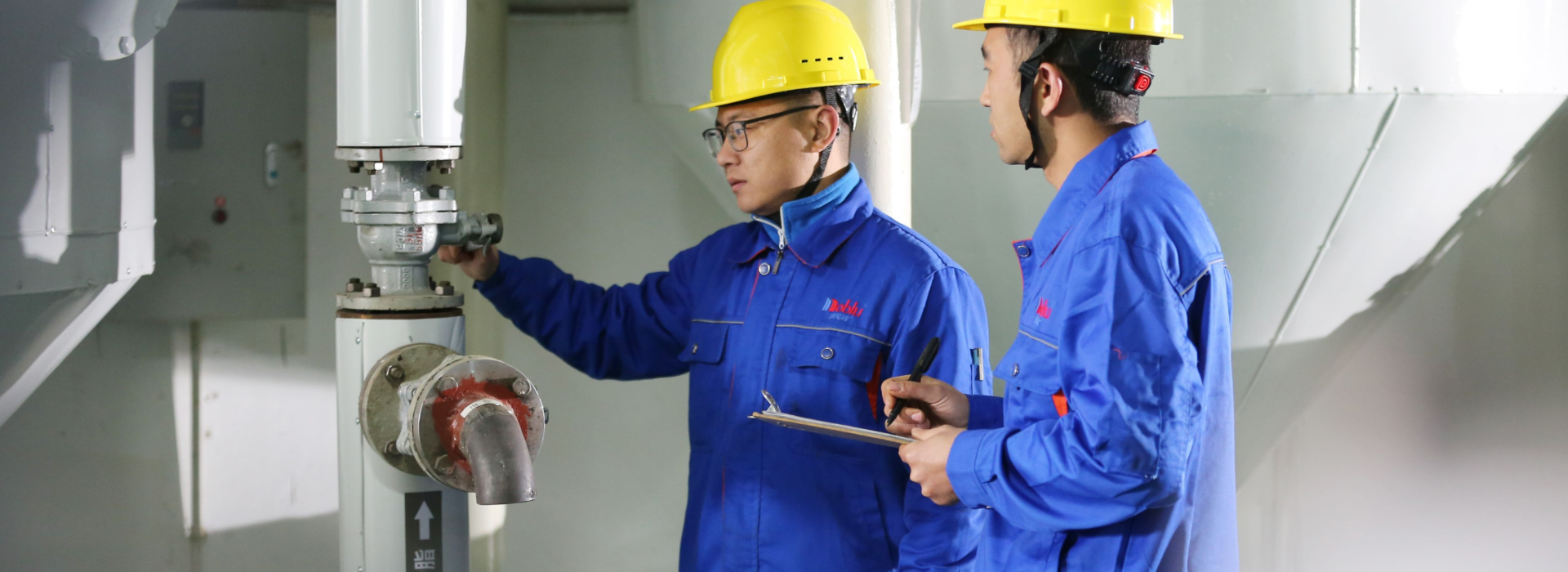
The first day was spent at Zhongtian’s production facility. The visiting team reviewed the plant’s scale and operating model directly rather than from a presentation deck, and both sides came away with preliminary interest in moving forward. During the visit, the customer shared its supplier qualification system documentation (general procurement terms plus the international supplier appendix, provided as a full trilingual set) for Zhongtian to complete as part of formal onboarding.
The visiting team also laid out how the company’s two sales channels differ in what they need from a supplier. The B2B side, selling to fleets and industrial accounts, weighs product quality and performance first. The B2C retail side is considerably more price-sensitive. A single supplier relationship has to support both, which is why cost-effective formulation options mattered as much as top-tier specifications during the discussion.
August 18: R&D Center Visit and Product Benchmarking
The second day moved to Zhongtian’s R&D center, where the conversation went well beyond a facility tour. Discussion covered specific product models, physicochemical properties, Gabon’s operating environment, packaging specifications, production scheduling and ocean freight logistics. These are the practical details that determine whether a supply relationship actually works once product is on the water.

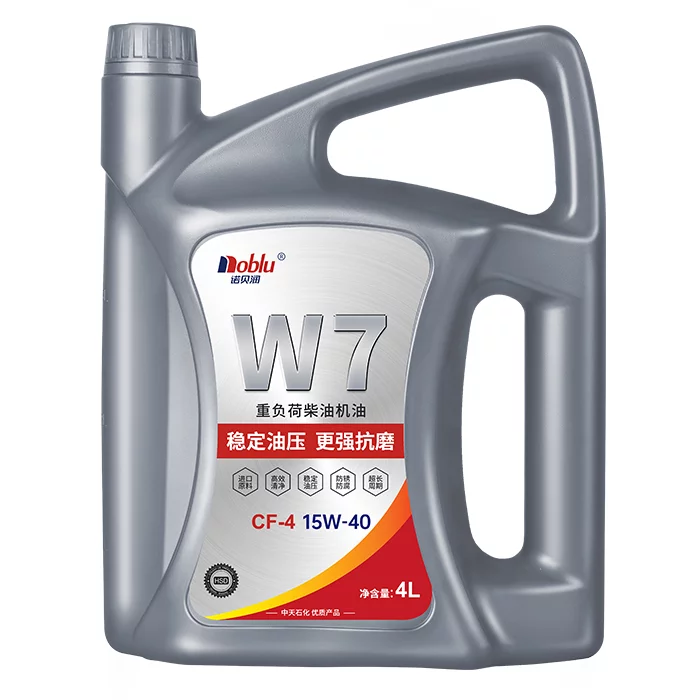
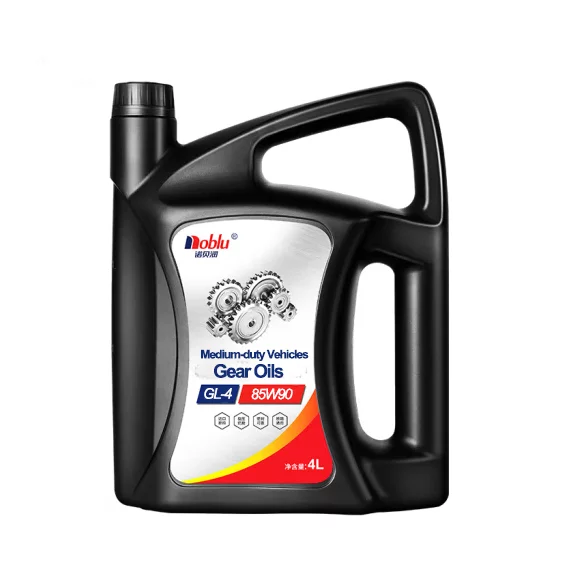
The visiting team brought their brand’s complete existing product technical list to use as the OEM benchmark, covering diesel engine oil, diesel/gasoline universal engine oil, single-grade tropical engine oil, automotive gear oil, agricultural multi-purpose oil, standard and HV high-viscosity-index hydraulic oil, industrial extreme-pressure gear oil, compressor oil, high-TBN marine engine oil, and G12+ pre-mixed antifreeze. Matching this list line by line, rather than proposing a generic catalogue, was the starting point for everything discussed afterward.
Formulating for Gabon’s Operating Conditions
Five points from the technical exchange will shape how Zhongtian formulates for this account, and they are specific enough to be useful to anyone else sourcing lubricants for similar West and Central African conditions.
| Requirement | Detail |
|---|---|
| Diesel TBN | Africa’s high-sulfur diesel calls for elevated alkalinity reserve: TBN 11 for highway truck 15W-40, TBN 15 for marine 15W-40. |
| Packaging | 200L drums for the B2B bulk trade; select SKUs also need 20L drums for B2C retail shelves. |
| Antifreeze | G12+ supplied as a 50% pre-mixed, ready-to-use finished product. Concentrate that requires on-site dilution is not accepted. |
| Hydraulic oil range | Split between standard HM anti-wear grades and HV high-viscosity-index grades, to cover Gabon’s wide day-to-night temperature swings. |
| Branding | All products manufactured and packaged as OEM under the customer’s own brand. |
The TBN requirement is a useful illustration of why “same viscosity grade” doesn’t mean “same oil.” Two 15W-40 engine oils can carry very different alkalinity reserves depending on the sulfur content of the diesel they’re built to neutralize. TBN itself is measured by potentiometric titration under ASTM D2896, which is why the number belongs on the CoA rather than being assumed from the engine oil’s API service category alone — a distinction covered in more depth in our guide to why identical viscosity grades can behave very differently. The same logic applies to this customer’s HM/HV hydraulic oil split: standard anti-wear hydraulic oil and high-viscosity-index hydraulic oil share a base chemistry but are formulated for very different temperature ranges.
Sample Development: Four Priority SKUs
Zhongtian’s chief engineer used the customer’s product parameters and Gabon’s operating conditions to begin custom sample development on site, with a target of delivering samples within one week. Four SKUs were prioritized for the first round:

- Highway truck diesel engine oil, 15W-40 CI-4/SN, TBN 11: formulated for high-sulfur fuel.
- Straight-grade tropical engine oil, SAE 40 CF-4: for the segment of the fleet still running monograde.
- HM68 hydraulic oil: standard anti-wear hydraulic oil at ISO VG 68. See our L-HM anti-wear hydraulic oil line for the same chemistry across other grades.
- 80W-90 GL-5 gear oil: heavy-duty vehicle gear oil. See how it differs from GL-4 in our GL-4 vs GL-5 gear oil comparison.
Additional formulations from the customer’s product list remain under review and were not finalized during the visit.
Current Status and Next Steps
This visit should be read as a technical evaluation and business communication milestone, not as an announcement of a signed supply agreement. Sample development is underway against a one-week target, and the trilingual supplier qualification documents the customer provided are being completed on Zhongtian’s side. Whether the relationship moves to a formal OEM agreement will depend on how the samples perform against the customer’s existing specifications once they reach Gabon.

African lubricant distributors evaluating a shift away from single-source, higher-cost supply arrangements can use the same approach this customer did: bring your existing product’s technical parameters, your packaging and logistics constraints, and your target markets’ operating conditions, and work through them against a manufacturer’s actual production and R&D capability rather than a catalogue. Our guide to sourcing and vetting industrial lubricant suppliers covers the verification steps worth applying to any manufacturer, including Zhongtian.

Distributors and OEM brand owners in Africa and other markets with similar operating conditions (high-sulfur diesel, wide temperature swings, mixed B2B/B2C demand) can contact Zhongtian Petrochemical’s international team with product specifications, packaging requirements and target volumes to start a similar technical evaluation.