


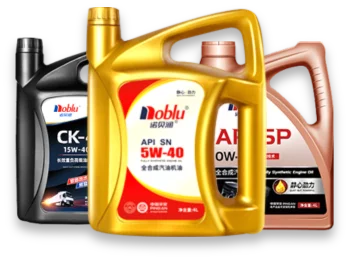

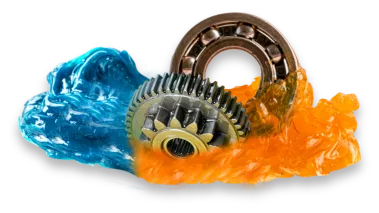
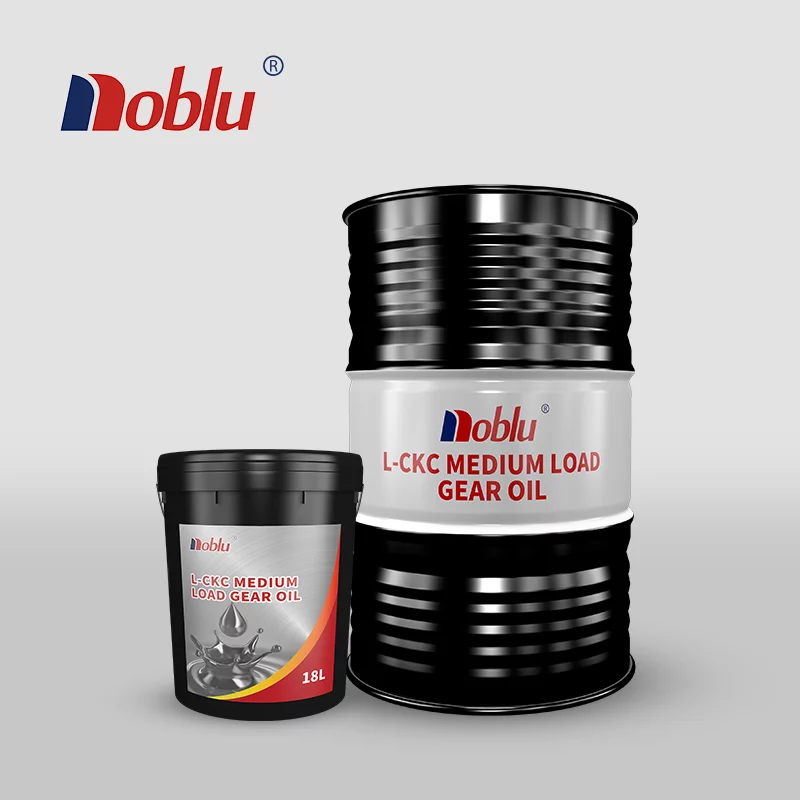
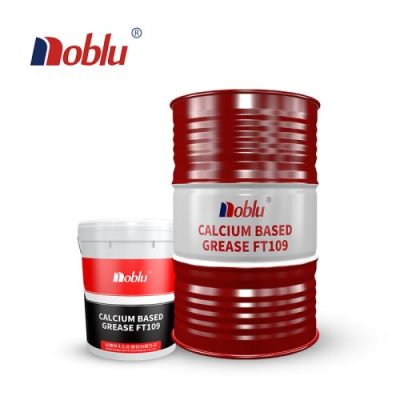
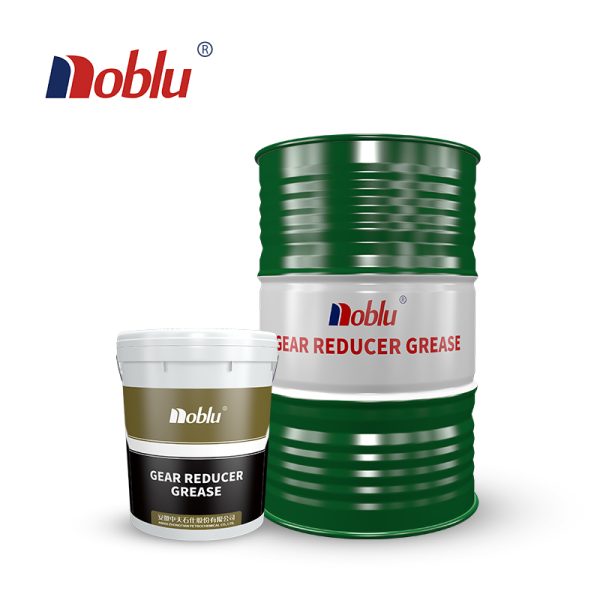
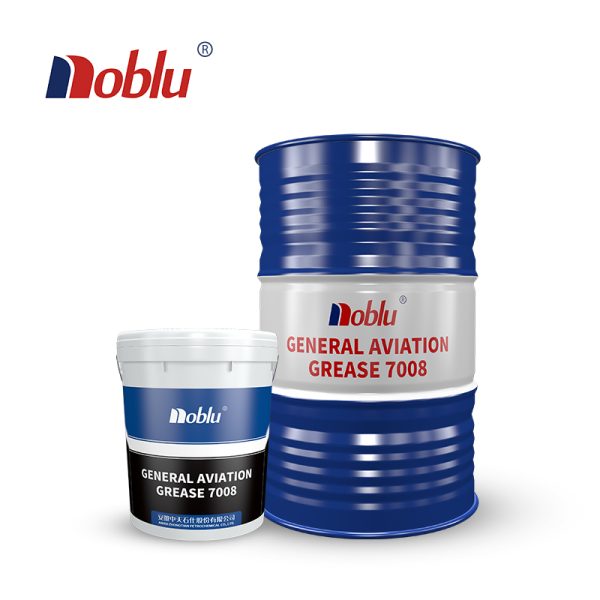
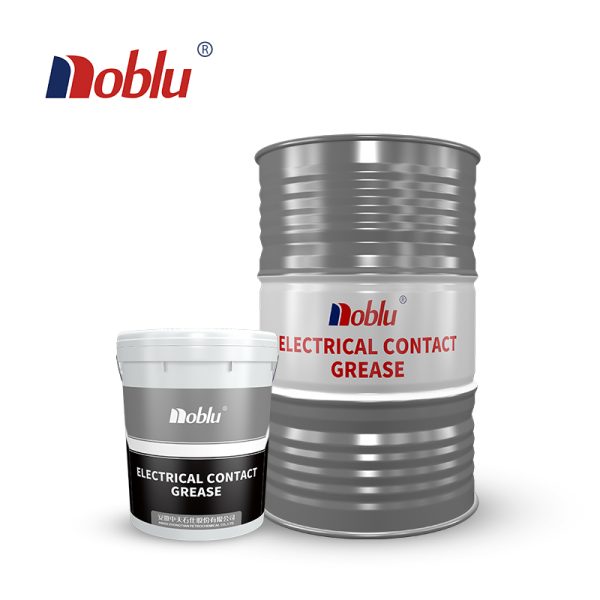
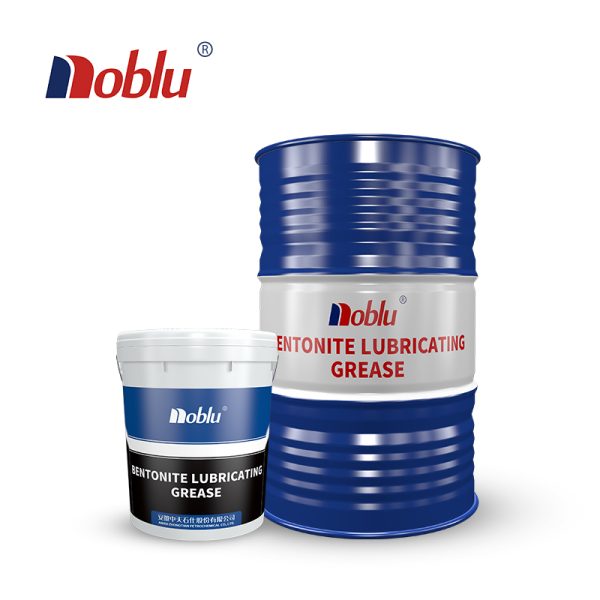
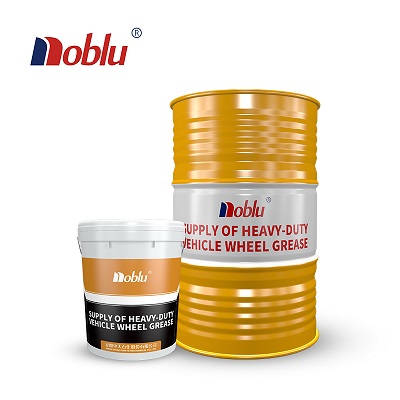
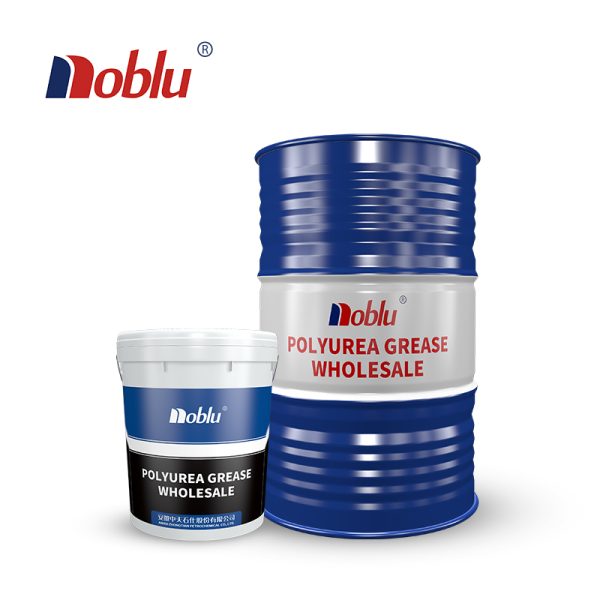
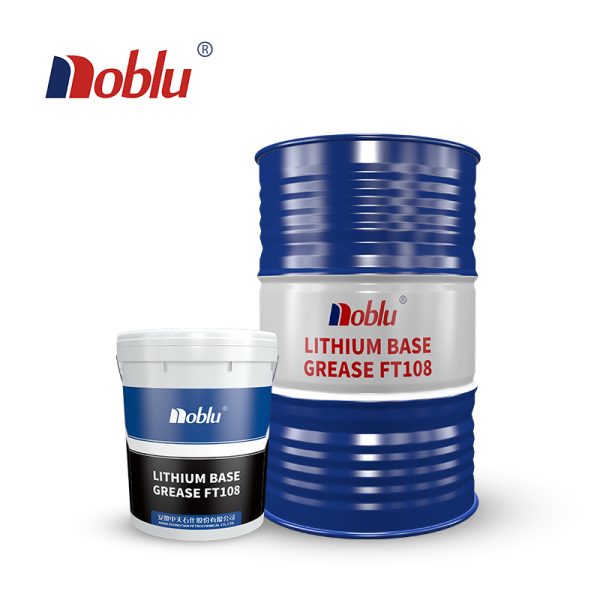
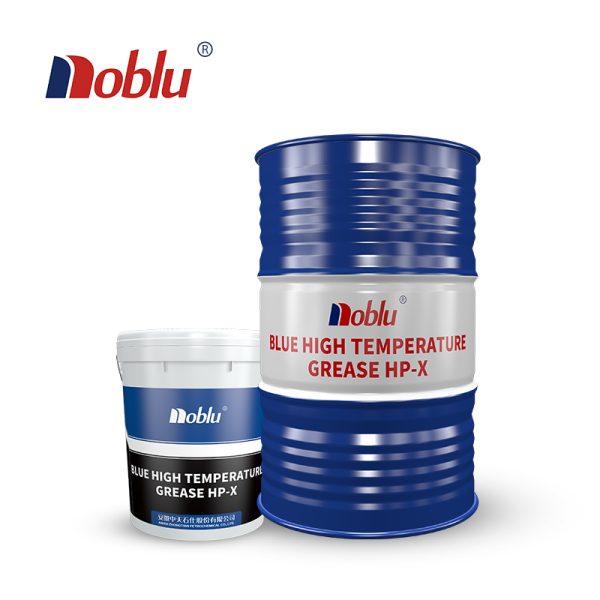
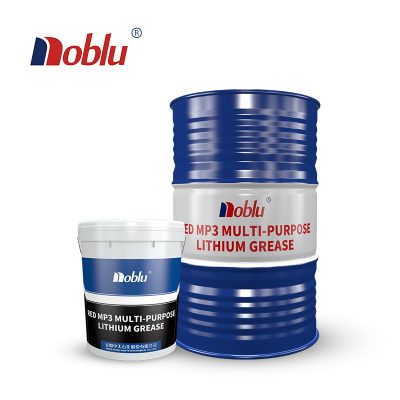

Private label grease is grease made by a manufacturer and sold under your brand. What protects that brand is the purchase specification behind the label, not the label itself.
- Specification: thickener, NLGI grade, base oil viscosity, dropping point with its test method, extreme pressure result and colour, each with a limit
- Packaging: cartridges, small tins and tubes, pails and drums; sizes are agreed for each project
- Documents: we supply our own data sheet, safety data sheet and batch certificate; the label and safety data sheet your market requires under your brand are yours to prepare
- Disclosure: this page is published by Zhongtian, a grease manufacturer that makes private label grease
This guide is published by Anhui Zhongtian Petrochemical, a Chinese lubricant and grease manufacturer founded in 1998, with grease capacity of 500,000 tonnes a year. We make private label grease under our customers’ brands, so the advice below is written from the manufacturer’s side of the order. Where it describes what we supply, it says so; where it describes what a buyer has to arrange, it says that too.
What is private label grease?
Private label grease is a grease blended and filled by a manufacturer and sold under the buyer’s own brand, usually from a grade the manufacturer already makes. The buyer chooses the grade, the packaging and the label; the manufacturer makes the grease to an agreed specification and supplies the documents for each grade and batch.
Typical buyers are lubricant distributors moving from trading other brands to owning one, brand owners adding grease to an oil range, and equipment makers who want their own grease in the service kit. A distributor from Cape Verde who visited our laboratory in July 2026, for example, planned lubricating grease in the same brand range as its gasoline and diesel engine oils and gear oil (visit report).
The terms around it are used loosely. This is how we use them on this page:
| Term | What the buyer gets | Where the formula comes from |
|---|---|---|
| Private label grease | An existing grade, filled and labelled under the buyer’s brand | The manufacturer’s existing formula, checked against the buyer’s specification |
| OEM grease | The same arrangement described from the manufacturer’s side; the manufacturer is the original maker | Usually the manufacturer’s formula |
| Custom-formulated grease | A grade developed or adjusted for the buyer’s application, then made under the buyer’s brand | A new or modified formula, confirmed with samples first |
What should a private label grease specification include?
A private label grease specification should fix every property your customers will notice, with a limit and a test method for each, because the grade name on your label does not fix any of them. Two greases sold as “lithium complex EP2” can differ in base oil viscosity, dropping point and load-carrying result, and only the specification decides which one goes into your packs.
Our own data sheet shows why the product name is not enough. Our HP-2 blue high temperature lithium complex grease is an NLGI 3 grease; “HP-2” is a product name, not the NLGI grade. The sheet lists a worked penetration limit of 220 to 250 and a tested 228, a dropping point limit of at least 260 °C and a tested 326 °C, and a four-ball extreme pressure sintering load (PD) of at least 2,452 N against a tested 3,089 N. A buyer who reads only the name could order the wrong consistency.
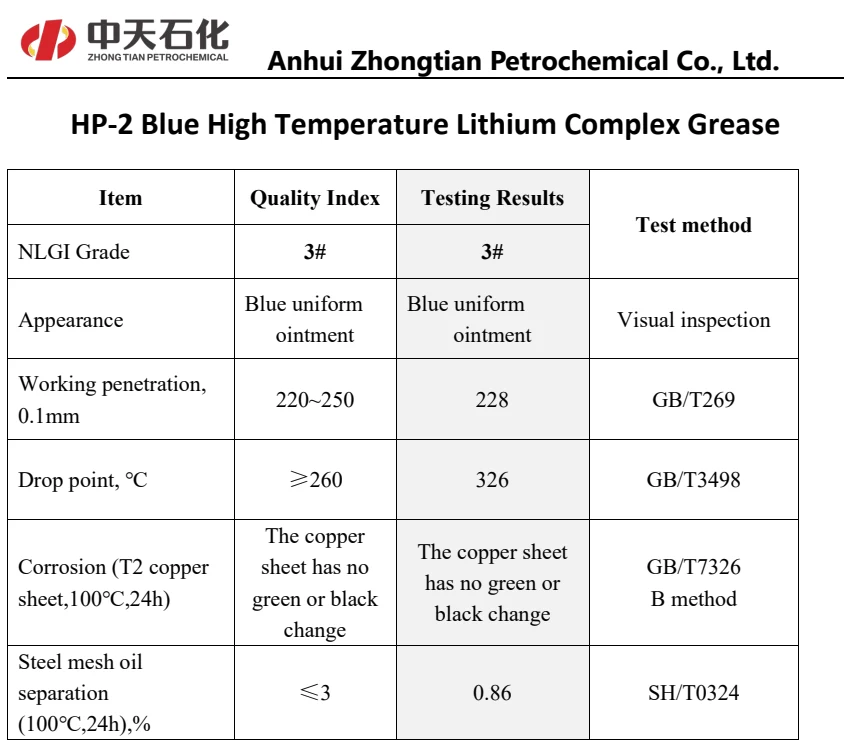
The same sheet also shows a gap a buyer should close. It gives the thickener and the base oil type, refined mineral oil, but not the base oil viscosity, and that number decides which speeds and loads the grease suits. Ask for it before you approve a grade, from us or from any other supplier.
These are the lines we suggest writing into the purchase specification for each grade:
| Line in the specification | Example from our HP-2 data sheet | Why it belongs in your specification |
|---|---|---|
| Thickener type | Composite metal soap (lithium complex) | Decides the temperature range and which greases it can be mixed with |
| NLGI grade and worked penetration | NLGI 3; 220 to 250, tested 228 | The grade customers buy by; the penetration range is how it is checked |
| Base oil type and viscosity | Refined mineral oil; viscosity not listed | Viscosity sets the speed and load range; ask for it in writing |
| Dropping point, with method | At least 260 °C, tested 326 °C, GB/T 3498 | Comparable only when the method matches |
| Extreme pressure result, with method | PD at least 2,452 N, tested 3,089 N, Chinese four-ball method | The load claim on your label rests on this number |
| Appearance and colour | Blue, uniform | Customers recognise a brand by colour; fix it so every batch matches |
The Chinese test methods on our sheet correspond to ASTM methods in some cases and not in others; our grease manufacturers guide maps the penetration, dropping point, copper corrosion and oil separation methods. Whichever methods you choose, the batch certificate for every shipment should report results against the same lines, so that each batch can be checked against numbers rather than a grade name.
Which packaging can private label grease come in?
We fill private label grease into cartridges, small tins and tubes, pails and drums, and the sizes are agreed for each project. The format you choose fixes more than the label: it decides who your customer is, how the grease is applied and what the first order costs.
| Pack format | Typical buyer | What it fixes for your brand |
|---|---|---|
| Cartridges | Workshops and mechanics using grease guns | The retail shelf; the label has to fit a narrow tube |
| Small tins and tubes | Retail buyers and hand application | The smallest unit price and the most labels per tonne |
| Pails | Fleets, farms and plant maintenance | The size trade customers reorder, with one label per pail |
| Drums | Plants and large fleets with pumps | The lowest packaging cost per kilogram, with little shelf presence |
Our minimum order is 20 packaging units, and trial orders can be negotiated. A unit can be a cartridge or a drum, so confirm in writing whether the minimum applies per grade, per pack format or per order before you plan the first shipment. Lead time is 3 to 7 days for grades in stock and 10 to 20 days for grades made to order, depending on quantity. Custom packaging for an OEM project is agreed separately, and printed packs and new tooling add their own time, so ask for the packaging date alongside the grease date.
What documents come with private label grease, and what do you prepare?
We supply our own documents for every private label grease, and the brand owner prepares the label and safety data sheet its own market requires. Our documents stay in Zhongtian’s name; they are the technical basis for the documents you issue under your brand.
| Document | Who issues it | What you use it for |
|---|---|---|
| Technical data sheet, per grade | Zhongtian, in our name | Typical values and limits; the basis of your specification |
| Safety data sheet, per grade | Zhongtian, in our name | Hazard and composition information for preparing your own |
| Certificate of analysis, per batch | Zhongtian, in our name | Measured results of the grease actually filled |
| Quality management certificate | ISO 9001:2015, registration 62825Q9372R0S, valid to 24 April 2028 | Evidence of the plant’s quality system |
| Label and safety data sheet under your brand | You, the brand owner or importer | What your market’s rules require on the pack and in the safety data sheet |
In the United States, the last row has a legal requirement behind it. OSHA’s Hazard Communication Standard requires a shipped container label to carry the “name, U.S. address, and U.S. telephone number of the chemical manufacturer, importer, or other responsible party,” per 29 CFR 1910.1200(f)(1)(vi), and requires the same details in Section 1 of the safety data sheet (Appendix D). A manufacturer in China has no U.S. address to give, so for private label grease sold in the U.S., the responsible party on the label is normally the importer or brand owner. This requirement came with OSHA’s 2024 revision; after a four-month extension published in January 2026, manufacturers, importers and distributors have until 19 November 2027 to update the labels and safety data sheets of mixtures, which includes grease. Other countries set their own rules, so check them with a regulatory adviser before the artwork is final.
If your market needs NSF H1 food-grade registration, we are the wrong supplier: our greases do not hold it. For how the three technical documents differ, see our guide to TDS, SDS and CoA for lubricants.
Which private label grease mistakes can you avoid before the first order?
Five mistakes can be settled on paper before the first order: ordering by grade name, a product name that reads like an NLGI grade, relabelling a supplier’s safety data sheet, misreading the minimum order and changing thickener without a compatibility check. None of them needs a test; each needs one line in the purchase order or the artwork brief.
- Ordering by grade name: “EP2” or “lithium complex” leaves base oil viscosity, dropping point and load result open. Order against the specification lines above.
- Putting a misleading number in the product name: our own “HP-2” is an NLGI 3 grease. If your product name contains a number, make sure customers cannot read it as the NLGI grade.
- Relabelling the manufacturer’s safety data sheet: the safety data sheet under your brand has to name the party responsible in your market; ours names us.
- Reading the minimum order as tonnes or pallets: our 20-unit minimum counts packaging units. Write down which unit, for which grade and which pack.
- Switching thickener without a compatibility check: your customers’ equipment still holds the old grease. Check the pair on a grease compatibility chart before you change the formula behind your brand.
How does a private label grease order run with Zhongtian?
A private label grease order with us runs in five steps: your current product data, a matched grade or sample, a written specification, packaging and artwork, then the first batch with its certificate. The same sequence applies to our oil customers, and the projects on our news pages show it at different stages.
- Send the data of the grease you sell now. The data sheet of your current product, the application and your target market are enough to start. A Gabon lubricant company brought its brand’s complete technical list to our R&D centre in August 2026 and matched it line by line (visit report).
- We match a grade or prepare samples. Where an existing grade fits, we send its data sheet; where the application needs a change, samples come first.
- You fix the specification. The lines in the table above, with limits and methods, become part of the purchase order.
- Packaging and artwork. You choose the formats and supply the label content your market requires, including the responsible party.
- First batch and certificate. Each batch ships with its certificate of analysis, checked against your specification.
For how the commercial side of a private label range is planned, such as grades, pack sizes and container loads, see the Nigerian engine oil brand owner’s project. If you are still deciding whether to start a lubricant brand at all, our guide on how to become a lubricant distributor covers the steps before that.
FAQ
What is the minimum order for private label grease?
Our minimum order is 20 packaging units, and trial orders can be negotiated. Because a unit can be anything from a cartridge to a drum, confirm in writing whether the minimum applies per grade, per pack format or per order.
What is the difference between private label and OEM grease?
Both describe grease made by one company and sold under another’s brand. “Private label” is the buyer’s view of the arrangement and “OEM” the manufacturer’s; in both cases the specification and the documents decide what goes into the packs.
Who is responsible for the safety data sheet of a private label grease?
The party that places the grease on the market under its brand. In the United States, OSHA requires the label and the safety data sheet to give the name, U.S. address and U.S. telephone number of the manufacturer, importer or other responsible party, which for imported private label grease is normally the importer or brand owner.
Can you make food-grade private label grease?
No. Our greases do not hold NSF H1 food-grade registration, so a specification that requires it needs a different supplier.